As a seasoned supplier of double-spindle CNC lathes, I’ve witnessed firsthand the transformative power of these machines in the manufacturing industry. Double-spindle CNC lathes are a game-changer, especially when it comes to handling multiple machining processes efficiently. This blog post aims to delve into the intricacies of how a double-spindle CNC lathe manages various machining tasks, highlighting the features and benefits that make it an indispensable tool for modern manufacturing. Double-spindle CNC Lathe

Understanding the Basics of Double-Spindle CNC Lathes
Before we explore how double-spindle CNC lathes handle multiple machining processes, let’s briefly understand what they are. A double-spindle CNC lathe is equipped with two spindles that can operate simultaneously or independently. The two spindles can be arranged in different configurations, such as parallel or tandem, depending on the specific machining requirements. This design allows for increased productivity and flexibility compared to single-spindle lathes.
Simultaneous Machining for Increased Productivity
One of the most significant advantages of a double-spindle CNC lathe is its ability to perform simultaneous machining operations. With two spindles working in tandem, different machining processes can be carried out on two separate workpieces at the same time. For example, while the first spindle is turning a part, the second spindle can be drilling or threading another part. This parallel processing significantly reduces the overall machining time, as multiple operations can be completed concurrently rather than sequentially.
In a typical manufacturing scenario, a single-spindle lathe would need to complete one operation on a workpiece before moving on to the next. This sequential approach can be time-consuming, especially for complex parts that require multiple machining steps. In contrast, a double-spindle CNC lathe can divide the workload between the two spindles, allowing for a more efficient use of time and resources. This results in a substantial increase in production output, making it an ideal choice for high-volume manufacturing.
Flexibility in Machining Operations
Double-spindle CNC lathes offer a high degree of flexibility in terms of the types of machining processes they can handle. Each spindle can be programmed to perform different operations, depending on the specific requirements of the workpiece. For instance, one spindle can be used for rough machining, while the other can be used for finishing operations. This flexibility allows manufacturers to optimize the machining process for each part, ensuring high precision and quality.
Moreover, the two spindles can be equipped with different types of cutting tools, further expanding the range of machining capabilities. For example, one spindle can be fitted with turning tools, while the other can be equipped with milling or drilling tools. This enables the lathe to perform a wide variety of operations, such as turning, drilling, boring, threading, and milling, all on the same machine. As a result, manufacturers can reduce the need for multiple machines, saving both space and cost in the production facility.
Part Transfer and Continuous Machining
Another key feature of double-spindle CNC lathes is the ability to transfer parts between the two spindles during the machining process. This feature is particularly useful for parts that require machining on multiple sides. After the first spindle has completed the initial machining operations on one side of the part, the part can be automatically transferred to the second spindle for further machining on the other side. This seamless part transfer ensures continuous and efficient machining, without the need for manual intervention.
The part transfer mechanism in a double-spindle CNC lathe is typically controlled by a robotic arm or a gantry system. These systems are designed to accurately and quickly move the part from one spindle to the other, ensuring minimal downtime between operations. Additionally, the robotic arm or gantry system can be programmed to perform other tasks, such as loading and unloading workpieces, further enhancing the automation and efficiency of the machining process.
Precision and Quality Control
In addition to increased productivity and flexibility, double-spindle CNC lathes also offer excellent precision and quality control. The use of computer numerical control (CNC) technology allows for precise control of the machining parameters, such as spindle speed, feed rate, and depth of cut. This ensures that each part is machined to the exact specifications, with minimal variation between parts.
Furthermore, the double-spindle design allows for real-time monitoring and adjustment of the machining process. Sensors and probes can be installed on the lathe to measure various parameters, such as the dimensions of the workpiece, the temperature of the cutting tool, and the vibration of the spindle. This data can be used to detect any potential issues early on and make necessary adjustments to the machining process, ensuring consistent quality and reducing the likelihood of scrap or rework.
Cost Savings and Return on Investment
Investing in a double-spindle CNC lathe can result in significant cost savings for manufacturers. The increased productivity and efficiency of these machines translate into lower labor costs, as fewer operators are required to operate the lathe. Additionally, the ability to perform multiple machining processes on a single machine reduces the need for additional equipment, saving on capital expenses and floor space.
Moreover, the high precision and quality control offered by double-spindle CNC lathes can help manufacturers reduce the cost of scrap and rework. By producing parts with consistent quality, manufacturers can minimize the number of defective parts, improving the overall yield and profitability of the production process. In the long run, the cost savings and increased productivity provided by a double-spindle CNC lathe can result in a substantial return on investment.
Conclusion
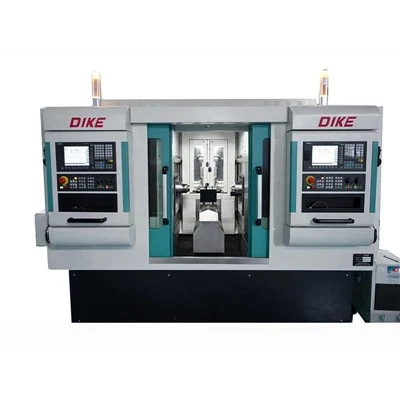
In conclusion, double-spindle CNC lathes are a powerful tool for modern manufacturing, offering a range of benefits when it comes to handling multiple machining processes. The ability to perform simultaneous machining operations, the flexibility in machining operations, the seamless part transfer mechanism, the precision and quality control, and the cost savings all contribute to the effectiveness of these machines.
Double-spindle CNC Lathe If you’re in the market for a double-spindle CNC lathe or want to learn more about how our machines can help you improve your manufacturing processes, I encourage you to reach out. Our team of experts is ready to provide you with detailed information, answer your questions, and discuss your specific requirements. Contact us to start a discussion about how we can support your business and help you achieve your production goals.
References
- Kalpakjian, S., & Schmid, S. R. (2010). Manufacturing Engineering & Technology. Pearson Prentice Hall.
- Drozda, T., & Wick, C. (2016). Tool and Manufacturing Engineers Handbook: Volume 3: Machining. Society of Manufacturing Engineers.
- Stephenson, D. A., & Agapiou, J. S. (2013). Metal Cutting Theory and Practice. CRC Press.
Wuxi DIKE CNC Technology Co., Ltd.
As one of the most professional double-spindle CNC lathe manufacturers and suppliers in China, we have world-leading production equipment and strong manufacturing capabilities. Please feel free to buy customized double-spindle CNC lathe at competitive price from our factory. Also, pricelist is available.
Address: No. 2, Xianshan Road, Qianqiao Street, Huishan District, Wuxi City, Jiangsu Province, China
E-mail: wxdk@wxdike.com
WebSite: https://www.dike-cnc.com/
