What is the water resistance of solid tires?
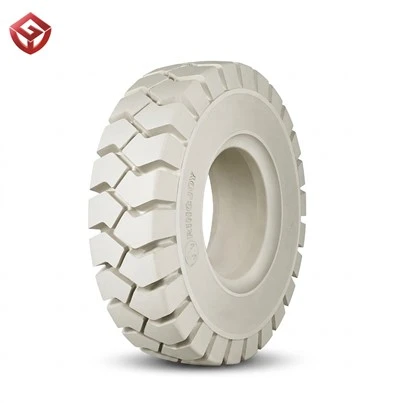
As a supplier of solid tires, I’ve been asked numerous questions about the performance and characteristics of our products. One topic that often comes up is the water resistance of solid tires. In this blog, I’ll delve into what water resistance means for solid tires, why it matters, how it’s measured, and the factors that influence it. Solid Tire
Understanding the Concept of Water Resistance in Solid Tires
Water resistance in solid tires refers to the tire’s ability to maintain its performance, integrity, and safety when in contact with water. This includes driving on wet roads, through puddles, or in rainy conditions. Unlike pneumatic tires, solid tires are made of a single, solid piece of rubber or other materials, so their interaction with water is quite different.
A solid tire with good water resistance can prevent hydroplaning. Hydroplaning is a phenomenon where a layer of water builds up between the tire and the road surface, causing the tire to lose contact with the road and reducing traction. This can lead to loss of control, longer braking distances, and increased risk of accidents.
Why Water Resistance is Important
Safety
Safety is the primary concern when it comes to any type of tire. Solid tires with proper water resistance reduce the risk of hydroplaning, which is particularly dangerous at high speeds or on wet highways. By maintaining better contact with the road surface, these tires provide more reliable steering and braking, thus protecting the vehicle occupants and other road users.
Durability
Water can also have a corrosive effect on the materials used in solid tires. Over time, continuous exposure to water can cause the rubber to degrade, leading to cracks, peeling, or loss of structural integrity. A water – resistant solid tire is better able to withstand these effects, ensuring a longer service life.
Performance
In industries where solid tires are commonly used, such as material handling or construction, consistent performance is crucial. In wet working environments, a tire with good water resistance will maintain its traction and rolling resistance, allowing equipment to operate efficiently and effectively.
Measuring Water Resistance
There isn’t a single standard method to measure the water resistance of solid tires. However, several key performance indicators (KPIs) are used to evaluate a tire’s behavior in wet conditions:
Traction
Traction is measured by determining the coefficient of friction between the tire and the wet road surface. This can be done through laboratory tests using specialized equipment that simulates wet driving conditions. A higher coefficient of friction indicates better traction and less likelihood of hydroplaning.
Hydroplaning Speed
Hydroplaning speed is the minimum speed at which a tire will start to hydroplane on a wet surface. It is determined through on – road or track tests, where the speed is gradually increased until hydroplaning occurs. A higher hydroplaning speed means the tire has better water resistance.
Factors Influencing Water Resistance
Tread Design
The tread pattern of a solid tire plays a crucial role in its water resistance. A well – designed tread can channel water away from the contact area between the tire and the road, reducing the risk of hydroplaning. Tires with deep grooves and channels are generally more effective at dispersing water than those with a smooth surface. Some solid tires are designed with directional tread patterns, which are optimized for forward – motion water evacuation.
Rubber Compound
The type of rubber compound used in the solid tire also affects its water resistance. Different rubber formulations have different levels of grip on wet surfaces. Some compounds are engineered to provide better traction in wet conditions by increasing the tire’s stickiness on the road surface without sacrificing durability.
Tire Shape and Structure
The shape and structure of the solid tire can influence how water interacts with it. For example, a tire with a wider footprint may have better water – dispersing capabilities as it spreads the load over a larger area. Additionally, the internal structure of the tire can affect its flexibility and ability to conform to the road surface in wet conditions.
Our Solid Tires and Their Water Resistance
As a solid tire supplier, we are aware of the importance of water resistance and have invested in research and development to improve this aspect of our products. Our solid tires are designed with advanced tread patterns that are specifically engineered to channel water away quickly. The rubber compounds we use are carefully selected to provide optimal grip on wet surfaces while maintaining high levels of durability.
We conduct rigorous testing on all our tires to ensure they meet or exceed industry standards for water resistance. This includes both laboratory tests and real – world field trials in a variety of wet conditions. By continuously improving our manufacturing processes and product design, we aim to offer solid tires that provide maximum safety and performance in wet environments.
Conclusion
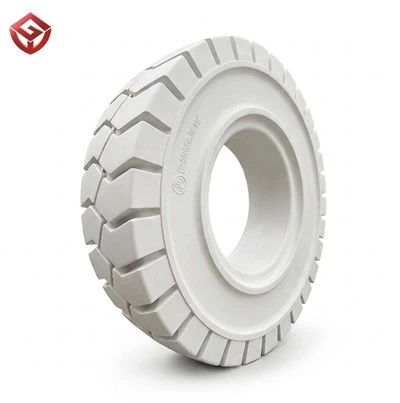
The water resistance of solid tires is a critical factor that impacts safety, durability, and performance. Understanding the concept, why it matters, how it’s measured, and the influencing factors is essential for anyone involved in the use or supply of solid tires.
Solid Tire If you are in need of high – quality solid tires with excellent water resistance, look no further. Our company is committed to providing reliable and innovative tire solutions. We’d be more than happy to discuss your specific requirements, whether you need tires for industrial equipment, forklifts, or other applications. Contact us today to start a conversation about your solid tire needs and let us help you find the perfect solution for your business.
References
- Tire Technology Handbook, Auto Rubber International
- Journal of Tire Science and Technology, Issues on Tire Performance in Wet Conditions
- ASTM International Standards on Tire Traction and Hydroplaning Testing
Zhejiang Guowei Rubber Co., Ltd.
Zhejiang Guowei Rubber Co., Ltd. is one of the most professional solid tire manufacturers and suppliers in China. With abundant experience, we warmly welcome you to buy advanced solid tire in stock here and get pricelist from our factory. Quality products and reasonable price are available.
Address: No. 10, Nanyang 4th Road, Duqiao Town, Linhai City, Taizhou, Zhejiang Province, China
E-mail: gwsolid@gmail.com
WebSite: https://www.forkliftsolidtires.com/
