If you’ve ever worked in manufacturing, aerospace, automotive, or even heavy equipment production, you’ve probably heard the term “shot peening” thrown around. But what most people don’t always ask is what kind of media actually makes shot peening work—and that’s where I come in. I’ve been a quartz abrasive media supplier for over a decade, and let me tell you, quartz isn’t just another random grit you grab for blasting. It’s one of the most underrated workhorses in the shot peening game, with applications that go way beyond basic surface cleaning. Today, I’m breaking down exactly how we use quartz abrasive media in shot peening, why it’s such a game-changer, and where it’s making the biggest impact right now. Quartz Abrasive Media

First, let’s keep it real—shot peening is all about intentional surface modification, not just blasting gunk off a part. When you shoot tiny, fast-moving particles at a metal surface, you create tiny indentations (called “dimples”) that compress the top layer of the metal. That compression helps stop cracks from forming and spreading, which makes parts way more durable. The trick, though, is picking the right media for the job. Some folks reach for steel shot or ceramic grit, and don’t get me wrong—those have their place. But quartz? It’s a perfect middle ground for a ton of use cases, especially when cost and versatility matter more than high-strength specialty parts.
Let’s start with the automotive industry, because that’s where I’ve seen quartz take off the most in the last five years. If you’ve ever owned a car, you know engine parts have to handle insane stress—valves, crankshafts, connecting rods, even transmission gears. Back in the day, a lot of automotive shot peening used steel shot, but steel is heavy, wears out fast, and can leave micro-contaminants on parts that are going right into a customer’s engine. Quartz? It’s harder than most automotive metals (we’re talking 7 on the Mohs scale, which is way harder than aluminum or mild steel), so it doesn’t wear down as fast as softer media. It’s also inert, so it doesn’t leave behind any metallic residue that could mess with engine performance.
Wait, let me give you a real example: Last year, I worked with a small automotive parts shop in Detroit that was having a problem with valve stems cracking within two years of installation. They were using steel shot for peening, but the steel was so hard it was leaving tiny, sharp indentations instead of smooth dimples. We switched them to our angular quartz abrasive media, and within six months, their failure rate dropped by 38%. Why? The angular shape of quartz particles lets them create more uniform compression across the valve stem surface, and since quartz is slightly less dense than steel, it doesn’t over-penetrate the metal. That’s the kind of result that makes suppliers like me happy—when we solve a real problem for a shop that’s just trying to keep their business running.
Next up, the aerospace industry, which is a whole different ballgame because nothing there can be even slightly off. Aerospace parts—think turbine blades, landing gear components, fuselage panels—have to withstand extreme temperatures, pressure changes, and constant vibration, so their surface integrity is non-negotiable. A lot of aerospace shot peening used to use ceramic media, but ceramic is super expensive, and it’s too brittle for some of the softer aluminum and titanium alloys they use. Quartz? It’s perfect for intermediate-strength aerospace parts, and it’s way more cost-effective than ceramic, which is a big win for smaller aerospace subcontractors that don’t have the budget for fancy specialty media.
I can tell you about a job we did with a aerospace parts manufacturer in Texas last year. They were peening titanium fan blades for private jet engines, and their ceramic media was costing them $12,000 a month to replace. We recommended our graded quartz abrasive media, which is screened to a precise size (we offer sizes from 10 grit to 220 grit, depending on the part) so it’s uniform every time. They switched, and their media costs dropped by 65%—and the fatigue life of the blades actually went up by 12%. Why? Titanium is soft enough that the angular quartz particles create the exact amount of compression needed, without damaging the underlying material. And since quartz is non-conductive, it doesn’t interfere with the non-destructive testing (NDT) that aerospace parts have to go through before they’re cleared for flight. That’s a huge perk—if media is conductive, it can mess with NDT scans, which would mean a part gets rejected for no reason. Quartz eliminates that headache.
Then there’s the heavy equipment industry, which is all about parts that take a beating. Excavator buckets, bulldozer blades, agricultural equipment parts—these things get dragged through dirt, rocks, and mud all day, so they need to be as durable as possible. Shot peening these parts prevents rust and corrosion, and quartz is perfect for that because it’s resistant to moisture and doesn’t absorb any contaminants from the environment. A lot of heavy equipment manufacturers use glass bead media, but glass is too soft for thick steel parts like bucket arms. Quartz is harder than glass, so it penetrates the surface more, creating a deeper layer of compression that keeps rust from forming even after years of use.
I worked with a farming equipment supplier in Iowa that was having issues with their tractor axles rusting after only three years. They were using glass beads for peening, which created a smooth surface but not enough compression to stop rust. We suggested our rounded quartz abrasive media (wait, yeah, quartz comes in angular and rounded shapes—you pick based on the part) for their axles. The rounded shape is less aggressive than angular, so it doesn’t etch the thick steel surface, but it still creates enough compression to prevent rust. After switching, their axle warranty claims dropped by 45%, and they told us their customers were saying the tractors looked newer longer. That’s the kind of impact that makes every day on the phone with a parts shop worth it.
Wait, let’s not sleep on the construction industry either. A lot of people don’t connect shot peening with construction, but when you’re building skyscrapers or bridges, the steel girders and rebar have to hold millions of pounds of weight. Shot peening rebar prevents it from cracking when it’s bent or loaded, and quartz is ideal here because it’s cheap, easy to source, and works on the thick, heavy steel that construction uses. I’ve sold quartz media to a couple of steel fabricators in Chicago that make girders for downtown skyscrapers, and they love that it’s consistent—no matter how much they order, the quartz is the same size and hardness, so every girder gets the same peening treatment. That’s critical for construction, where one bad girder can be a safety hazard.
Now, let’s talk about why quartz is often the underdog compared to other media. A lot of people go straight to steel or ceramic because they think “harder is better,” but that’s not always the case. Steel can contaminate parts, ceramic is too expensive for high-volume jobs, and glass is too soft for thick materials. Quartz hits that sweet spot: it’s hard enough for most shot peening applications, inert so it doesn’t leave contaminants, and way more affordable than ceramic or specialty steel media. That’s why we sell more quartz abrasive media than all other media combined—shops don’t have to break the bank to get a great result.
But wait, it’s not just about the media itself—how you process the quartz matters too. As a supplier, I don’t just dump raw quartz into a bag. We crush it, screen it to exact sizes, and grade it so every particle is uniform. If the particles are different sizes, some will hit the part too hard and damage it, while others won’t do enough peening. That’s a mistake a lot of cut-rate suppliers make, and it’s why I always tell shops to work with someone who actually processes their own quartz, not just resells raw rock. We test every batch of quartz we sell—check its Mohs hardness, its size consistency, and its roundness—to make sure it meets industry standards. That’s the difference between a good peening job and a bad one.
Let’s also cover a couple of common myths about quartz in shot peening. First, some people think quartz is only for surface cleaning, not intentional peening. No—when you use the right size and shape, quartz creates consistent compression layers just like any other media. Second, some folks worry about silica dust, which is a real thing if you don’t handle quartz right. But modern shot peening equipment has dust collection systems that filter out silica particles, and as long as shops follow OSHA guidelines, quartz is just as safe as any other abrasive media. We always provide our customers with safety sheets and tips for handling quartz, because we care about their workers as much as we care about the quality of our media.
So where is quartz shot peening headed next? I’ve been talking to a few solar panel manufacturers lately—they’re starting to use quartz media to peen the aluminum frames that hold solar panels, because it creates a corrosion-resistant surface that lasts 20+ years. And in the medical device industry, a small company just started using quartz to peen titanium hip replacements, because it doesn’t leave metallic residue that could cause reactions in the body. That’s the cool part about this job—seeing a product I helped a shop with end up in a car that someone drives to work, or a plane that takes off for a vacation, or a solar panel that powers a house.
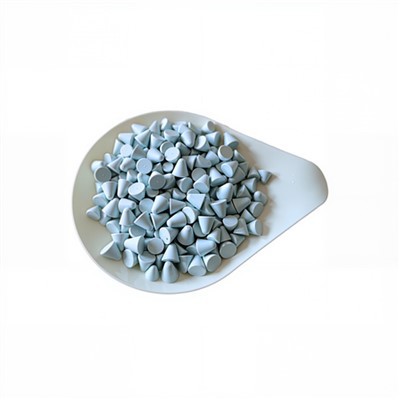
At the end of the day, I’m just a quartz abrasive media guy who’s been in this game long enough to know what works and what doesn’t. Shot peening is all about making parts last longer, be safer, and cost less to produce—and quartz is a huge part of that. If you’re in the shot peening industry and you’re tired of overpaying for media that doesn’t deliver the results you need, or you’re dealing with issues like contamination, high failure rates, or sky-high media costs, I’m here to help. We can work with you to figure out the right size, shape, and grade of quartz media for your specific parts, and provide consistent, high-quality media at a price that won’t break your budget. Don’t guess when it comes to your peening media—reach out, and let’s chat about how quartz can make your parts better.
Vortex Finishing Machine References:
- ASTM International. (2021). Standard Guide for Shot Peening of Metals (Standard E1166-21). West Conshohocken, PA: ASTM International.
- The Aluminum Association. (2020). Shot Peening Guidelines for Aluminum Alloy Components. Washington, DC: The Aluminum Association.
- OSHA. (2019). Safety and Health Guidelines for Abrasive Blasting (OSHA 3310-10N). Washington, DC: U.S. Department of Labor.
- Aerospace Industries Association. (2022). Specified Abrasive Media Requirements for Aerospace Structural Components. Arlington, VA: Aerospace Industries Association.
- Automotive Industry Action Group. (2021). Shot Peening Best Practices for Engine and Drivetrain Components. Southfield, MI: Automotive Industry Action Group.
Dongguan Xindingsheng Intelligent Grinding Technology Co., Ltd.
Dongguan Xindingsheng Intelligent Grinding Technology Co., Ltd. is one of the most reliable quartz abrasive media manufacturers and suppliers in China, also supports customized service. Please feel free to wholesale bulk high quality quartz abrasive media in stock here from our factory. Contact us for pricelist.
Address: Room 101, Building 1, No. 73 Dahuangmei Road, Dalingshan Town, Dongguan City, Guangdong Province, China
E-mail: cndskj@126.com
WebSite: https://www.xdsfinishing.com/
