Can an Embossing Roller Be Used on Vinyl?
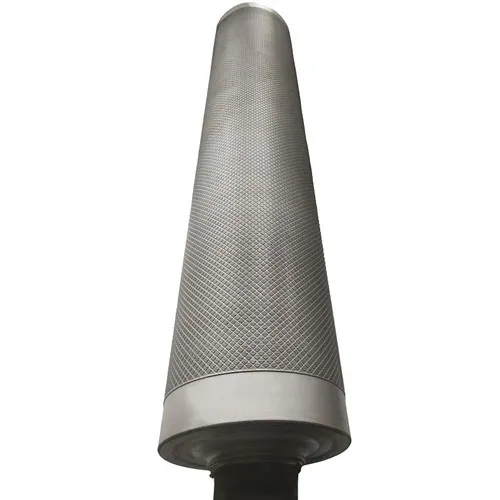
As a supplier of embossing rollers, I often get asked about the compatibility of our products with different materials. One question that comes up frequently is whether an embossing roller can be used on vinyl. In this blog post, I’ll delve into this topic, exploring the feasibility, benefits, challenges, and best practices of using embossing rollers on vinyl. Embossing Roller
Understanding Embossing and Vinyl
Before we discuss the compatibility, let’s briefly understand what embossing is and the nature of vinyl. Embossing is a process that involves creating raised or recessed designs on a material’s surface. An embossing roller is a cylindrical tool with a pattern engraved on its surface. When pressure is applied between the roller and the material, the pattern is transferred onto the material, creating a textured effect.
Vinyl, on the other hand, is a synthetic plastic polymer made from ethylene and chlorine. It is a versatile material known for its durability, flexibility, and resistance to moisture, chemicals, and abrasion. Vinyl comes in various forms, including sheets, films, and tiles, and is widely used in industries such as construction, automotive, packaging, and signage.
Feasibility of Using Embossing Rollers on Vinyl
The short answer is yes, an embossing roller can be used on vinyl. Vinyl’s flexibility and malleability make it suitable for the embossing process. When heat and pressure are applied, vinyl can be easily shaped and molded, allowing the embossing pattern to be effectively transferred.
However, the success of the embossing process on vinyl depends on several factors, including the type of vinyl, the design of the embossing roller, and the operating conditions.
Type of Vinyl
There are different types of vinyl, such as rigid vinyl and flexible vinyl. Rigid vinyl is stiffer and more suitable for applications where structural integrity is required, while flexible vinyl is more pliable and commonly used in applications where flexibility is needed, such as in vinyl flooring or wall coverings.
Flexible vinyl is generally more amenable to embossing because it can easily conform to the pattern on the embossing roller. Rigid vinyl may require higher temperatures and pressures to achieve a satisfactory embossing effect, and there is a risk of cracking or breaking if not processed correctly.
Design of the Embossing Roller
The design of the embossing roller plays a crucial role in the embossing quality on vinyl. The depth, width, and complexity of the pattern can affect how well the vinyl takes on the embossed design. For vinyl, it is often recommended to use patterns with moderate depth and smooth transitions to avoid tearing or over-stretching the material.
Additionally, the surface finish of the embossing roller is important. A smooth and polished surface can prevent the vinyl from sticking to the roller during the embossing process, ensuring a clean and consistent embossed pattern.
Operating Conditions
The temperature and pressure applied during the embossing process are critical factors. Vinyl has a specific melting point, and the temperature needs to be carefully controlled to ensure that the vinyl softens enough to accept the embossed pattern without melting or deforming excessively.
Similarly, the pressure applied by the embossing roller should be sufficient to transfer the pattern but not so high that it damages the vinyl. The optimal temperature and pressure settings depend on the type and thickness of the vinyl, as well as the design of the embossing roller.
Benefits of Using Embossing Rollers on Vinyl
There are several benefits to using embossing rollers on vinyl:
Aesthetic Enhancement
Embossing adds a three – dimensional effect to vinyl, enhancing its visual appeal. It can mimic the look of natural materials such as wood, leather, or stone, giving vinyl a more luxurious and high – end appearance. This makes embossed vinyl suitable for applications where aesthetics are important, such as in interior design, furniture upholstery, and automotive interiors.
Improved Functionality
In some cases, embossing can improve the functionality of vinyl. For example, embossed patterns on vinyl flooring can provide better traction, reducing the risk of slips and falls. In packaging applications, embossed vinyl can enhance the grip, making it easier for consumers to handle the product.
Branding and Differentiation
Embossing can be used to incorporate logos, trademarks, or other branding elements onto vinyl products. This helps to create a unique and recognizable brand identity, setting the product apart from competitors.
Challenges of Using Embossing Rollers on Vinyl
While there are many benefits, there are also some challenges associated with using embossing rollers on vinyl:
Material Compatibility
As mentioned earlier, different types of vinyl have different properties, and not all vinyls are equally suitable for embossing. Some vinyls may contain additives or fillers that can affect the embossing process, such as causing adhesion issues or uneven embossing.
Wear and Tear of the Roller
Vinyl can be abrasive, especially when it contains fillers or additives. This can cause wear and tear on the embossing roller over time, reducing its lifespan and the quality of the embossed patterns. Regular maintenance and proper cleaning of the roller are essential to minimize this problem.
Environmental Considerations
The embossing process often requires the use of heat, which can consume a significant amount of energy. Additionally, some vinyls may release harmful chemicals when heated, posing environmental and health risks. It is important to choose vinyl materials that are environmentally friendly and to implement energy – efficient embossing processes.
Best Practices for Using Embossing Rollers on Vinyl
To achieve the best results when using embossing rollers on vinyl, the following best practices should be followed:
Material Selection
Choose a vinyl material that is specifically designed for embossing. Consult with the vinyl supplier to ensure that the material has the appropriate properties, such as flexibility, heat resistance, and compatibility with the embossing process.
Roller Maintenance
Regularly clean and inspect the embossing roller to remove any debris or residue that may accumulate during the embossing process. Use appropriate cleaning agents and tools to avoid damaging the roller’s surface. Additionally, consider applying a release agent to the roller to prevent the vinyl from sticking.
Process Optimization
Conduct thorough testing to determine the optimal temperature, pressure, and speed settings for the embossing process. These settings may vary depending on the type and thickness of the vinyl, as well as the design of the embossing roller. Monitor the process closely and make adjustments as needed to ensure consistent quality.
Conclusion
In conclusion, an embossing roller can indeed be used on vinyl, offering numerous benefits in terms of aesthetics, functionality, and branding. However, it is important to consider the type of vinyl, the design of the embossing roller, and the operating conditions to ensure a successful embossing process.
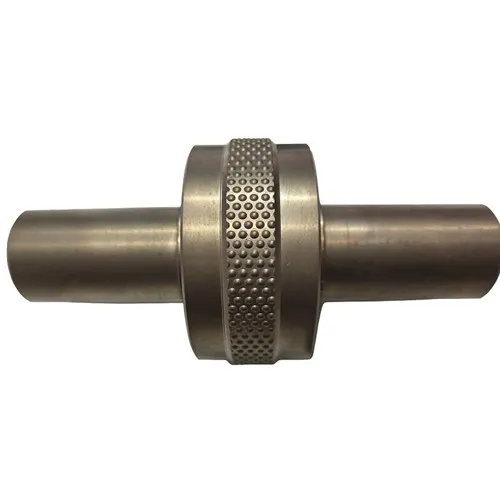
As a supplier of embossing rollers, we have the expertise and experience to provide you with high – quality rollers that are suitable for embossing vinyl. Our rollers are designed with precision and made from durable materials to ensure long – lasting performance.
Anilox Sleeve If you are interested in using embossing rollers on vinyl for your products, we would be more than happy to discuss your specific requirements and provide you with customized solutions. Contact us to start a conversation about your embossing needs and explore how our products can add value to your business.
References
- "Plastic Materials" by J. A. Brydson
- "The Handbook of Vinyl Formulating" by Edward J. Wickson
- Industry reports on vinyl manufacturing and embossing processes.
Kunshan Hanhan Co., Ltd.
We’re well-known as one of the leading embossing roller manufacturers and suppliers in China. We warmly welcome you to buy high quality embossing roller made in China here from our factory. If you have any enquiry about cooperation, please feel free to email us.
Address: No. 1093, B Zone, No. 2 Xugongqiao Rd, Huaqiao Town, Kunshan City, Suzhou, Jiangsu, China
E-mail: info@kshhroller.com
WebSite: https://www.kshh-roller.com/
