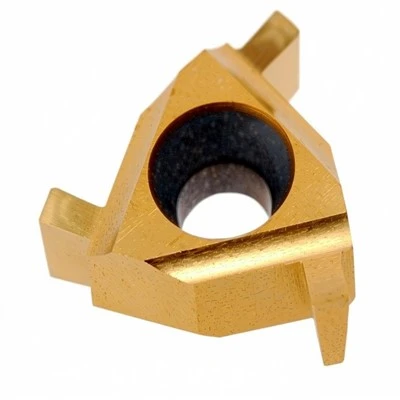
When delving into the realm of precision machining, one crucial aspect that often takes center stage is the maximum speed a tool holder can handle. As a seasoned tool holder supplier, I’ve witnessed firsthand the pivotal role this factor plays in the efficiency and quality of machining operations. In this blog, we’ll explore the ins and outs of the maximum speed capabilities of tool holders, understanding its significance, the factors that influence it, and how to make the most of this knowledge in your machining processes. Tool Holder
Understanding the Significance of Maximum Speed
The maximum speed a tool holder can handle is not just an arbitrary number; it’s a critical parameter that directly impacts the performance of your machining setup. When a tool holder operates beyond its maximum speed rating, it can lead to a host of problems, including reduced tool life, poor surface finish of the workpiece, and even potential damage to the machine itself.
One of the primary reasons for setting a maximum speed is to ensure the safety of the entire machining system. At high speeds, the forces acting on the tool holder and the cutting tool increase significantly. If these forces exceed the design limits of the tool holder, it can result in vibrations, chattering, or even the catastrophic failure of the tool holder or the cutting tool. This not only poses a risk to the operator but also leads to costly downtime and potentially damaged workpieces.
Moreover, the maximum speed also affects the efficiency of the machining process. Operating the tool holder close to its maximum speed (within the safe limits) can increase the material removal rate, reducing the overall machining time. However, finding the right balance is key, as pushing the tool holder too hard can lead to the aforementioned issues.
Factors Influencing the Maximum Speed
Several factors come into play when determining the maximum speed a tool holder can handle. Let’s take a closer look at some of the most significant ones:
Tool Holder Design and Construction
The design and construction of the tool holder are fundamental in determining its maximum speed capabilities. High – quality tool holders are engineered with precision to ensure proper balance, rigidity, and clamping force. For example, a well – balanced tool holder reduces the centrifugal forces acting on it at high speeds, minimizing vibrations. Tool holders with advanced clamping mechanisms can securely hold the cutting tool, preventing it from coming loose during high – speed operation.
Material of the Tool Holder
The material used in the construction of the tool holder also plays a vital role. Tool holders are typically made from materials such as steel, aluminum, or titanium. Each material has its own unique properties, such as density, strength, and thermal conductivity. For instance, aluminum tool holders are lightweight and have good thermal properties, which can be beneficial for high – speed applications as they reduce the overall inertia and help dissipate heat. On the other hand, steel tool holders offer high strength and rigidity, making them suitable for heavy – duty machining operations.
Cutting Tool Compatibility
The type and size of the cutting tool used in conjunction with the tool holder can significantly affect the maximum speed. Different cutting tools have different geometries, coatings, and materials, each with its own optimal operating conditions. For example, small – diameter end mills may be able to operate at higher speeds compared to large – diameter face mills. Additionally, the type of coating on the cutting tool can also influence the maximum speed. Coatings such as titanium nitride (TiN) or titanium aluminum nitride (TiAlN) can improve the tool’s wear resistance and allow for higher cutting speeds.
Machine Tool Compatibility
The capabilities of the machine tool itself are another important factor. The spindle speed range, power, and accuracy of the machine tool must be considered when determining the maximum speed of the tool holder. A machine with a high – speed spindle can accommodate tool holders designed for high – speed machining. However, if the machine tool has limitations in terms of power or accuracy, it may not be able to take full advantage of a tool holder’s maximum speed capabilities.
Cooling and Lubrication
Proper cooling and lubrication are essential for high – speed machining. The heat generated during the cutting process can cause thermal expansion of the tool holder and the cutting tool, affecting their performance and potentially reducing the maximum speed. Effective cooling and lubrication systems help to dissipate heat, reduce friction, and improve the cutting conditions, allowing the tool holder to operate at higher speeds safely.
Determining the Maximum Speed for Your Application
As a tool holder supplier, I often work with customers to determine the appropriate maximum speed for their specific machining applications. Here are some steps that can help in this process:
Consult the Tool Holder Manufacturer
The manufacturer of the tool holder is the best source of information regarding its maximum speed rating. Most manufacturers provide detailed technical specifications that include the maximum speed, along with other important parameters such as balance grade, clamping force, and recommended cutting tools. It’s important to follow these guidelines to ensure the safe and efficient operation of the tool holder.
Consider the Machining Process
The type of machining process you are performing also plays a role in determining the maximum speed. For example, roughing operations typically require lower speeds and higher feed rates, as the goal is to remove a large amount of material quickly. On the other hand, finishing operations may require higher speeds and lower feed rates to achieve a smooth surface finish.
Conduct Testing
In some cases, it may be necessary to conduct testing to determine the optimal maximum speed for your specific setup. This can involve running a series of test cuts at different speeds and monitoring the performance of the tool holder and the cutting tool. Parameters such as surface finish, tool wear, and cutting forces can be measured to evaluate the performance at each speed.
Case Studies: Real – World Examples of Maximum Speed Applications
To illustrate the importance of understanding the maximum speed of tool holders, let’s take a look at some real – world case studies.
Aerospace Machining
In the aerospace industry, precision and high – speed machining are crucial for manufacturing components such as turbine blades and aircraft structural parts. A customer in the aerospace sector was using a conventional tool holder for machining titanium alloy parts. By upgrading to a high – speed tool holder specifically designed for titanium machining, they were able to increase the cutting speed by 30%. This not only reduced the machining time but also improved the surface finish of the parts, resulting in higher – quality components and increased productivity.
Automotive Machining
In the automotive industry, where mass production is the norm, maximizing efficiency is key. A car manufacturer was experiencing issues with tool wear and poor surface finish when machining engine blocks. After carefully analyzing the tool holder and cutting tool parameters, they determined that the tool holder was being operated close to its maximum speed, but the cooling and lubrication system was inadequate. By improving the cooling and lubrication setup and selecting a tool holder with a higher maximum speed rating, they were able to increase the cutting speed by 25% and extend the tool life by 40%.
Conclusion and Call to Action
In conclusion, understanding the maximum speed a tool holder can handle is essential for achieving optimal performance in precision machining operations. By considering the factors that influence the maximum speed, consulting the manufacturer, and conducting appropriate testing, you can make informed decisions about the tool holders and cutting tools for your specific applications.
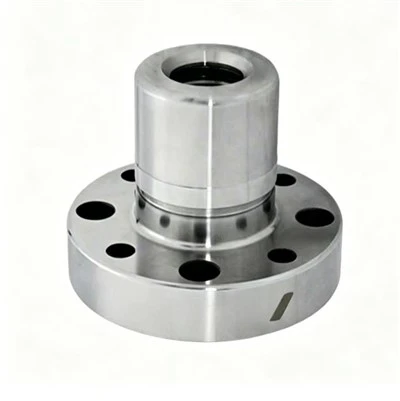
As a tool holder supplier, I am committed to providing high – quality tool holders that are designed to meet the diverse needs of the machining industry. Whether you are looking for tool holders for high – speed machining, heavy – duty applications, or precision finishing, we have the expertise and the product range to support you.
Machine Tool Accessories If you are interested in learning more about our tool holders and how they can help you improve the efficiency and quality of your machining processes, I encourage you to reach out to us. We would be delighted to engage in a discussion with you, understand your specific requirements, and provide you with tailored solutions. Feel free to initiate a conversation about potential采购 (Oops! I meant procurement) and let’s work together to take your machining operations to the next level.
References
- Smith, J. (2018). "Advanced Machining Techniques". Machining Press.
- Brown, A. (2019). "Tool Holder Design and Performance". Manufacturing Insights.
- Johnson, R. (2020). "High – Speed Machining: Best Practices". Precision Engineering Journal.
Shun Wei Precision Technology Co., Ltd.
With abundant experience, we are one of the most reliable tool holder manufacturers and suppliers in China. We warmly welcome you to buy durable tool holder at competitive price from our factory. If you have any enquiry about cooperation, please feel free to email us.
Address: Room901, Building2, Yijing Apartment, Northeast side of the intersection of Central Avenue and East Fifth Road, Tianjin Free Trade Zone (Airport Economic Zone)
E-mail: sale@sw-csd.com
WebSite: https://www.tjswprecisiontool.com/
