Hey there! I’m a supplier of CoaXPress cables, and I often get asked about the termination signal – to – noise ratio of CoaXPress cables. So, I figure it’s high time I sat down and wrote a bit about this topic for those who are curious. CoaXPress Cable
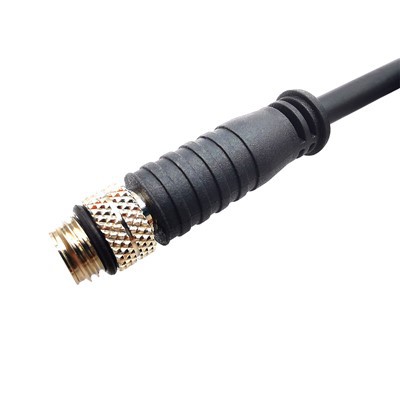
Let’s start with the basics. Signal – to – noise ratio (SNR) is a super important concept in the world of electronics and communication. It’s basically a measure of how strong the desired signal is compared to the background noise. In the case of CoaXPress cables, which are used for high – speed data transmission in applications like machine vision, industrial automation, and medical imaging, a good SNR is crucial for reliable and accurate data transfer.
The termination signal – to – noise ratio specifically refers to the SNR at the end points of the CoaXPress cable. When we talk about termination, we’re talking about how the cable is connected to the devices at either end. Proper termination is key because it helps to prevent signal reflections, which can mess up the signal quality and increase the noise level.
Now, why is the termination SNR so important for CoaXPress cables? Well, CoaXPress is designed to handle really high data rates. We’re talking about gigabits per second here. With such high – speed data transfer, even a small amount of noise can cause significant errors in the data. A good termination SNR ensures that the data is transmitted cleanly and accurately from one end of the cable to the other.
Let’s dig a bit deeper into what affects the termination signal – to – noise ratio of CoaXPress cables. One of the main factors is the quality of the cable itself. High – quality CoaXPress cables are made with better materials and manufacturing processes. They have lower attenuation, which means the signal loses less strength as it travels through the cable. This helps to maintain a strong signal and a better SNR.
Another factor is the termination impedance. CoaXPress cables typically have a characteristic impedance of 75 ohms. If the termination impedance at the devices connected to the cable doesn’t match this 75 – ohm impedance, it can lead to signal reflections. These reflections act as a form of noise, reducing the SNR. So, it’s really important to make sure that the termination impedance is properly matched.
The length of the cable also plays a role. Longer cables tend to have more attenuation, which can weaken the signal and lower the SNR. However, with proper design and termination, we can minimize the impact of cable length on the SNR.
Now, how do we measure the termination signal – to – noise ratio of CoaXPress cables? Well, there are several ways. One common method is to use a spectrum analyzer. This device can measure the power of the signal and the power of the noise in a given frequency range. By comparing these two values, we can calculate the SNR.
We can also use a bit error rate (BER) tester. This device sends a known pattern of data through the cable and then checks for errors in the received data. A higher BER indicates a lower SNR, as more noise is causing errors in the data transmission.
As a CoaXPress cable supplier, I’ve seen firsthand how important it is to get the termination SNR right. In machine vision applications, for example, a low SNR can lead to blurry or inaccurate images. In industrial automation, it can cause errors in control signals, which can result in equipment malfunction.
That’s why we put a lot of effort into ensuring that our CoaXPress cables have a high termination SNR. We use high – quality materials and advanced manufacturing techniques to minimize attenuation and signal reflections. We also provide detailed installation and termination instructions to our customers to help them get the best possible SNR.
But it’s not just about the cables themselves. We also offer support to our customers in terms of troubleshooting and optimizing the SNR. If a customer is having issues with the SNR of their CoaXPress cable system, we’re here to help them figure out what’s going wrong and how to fix it.
So, if you’re in the market for CoaXPress cables and want to make sure you get a system with a great termination signal – to – noise ratio, look no further. We’ve got the experience, the products, and the support to meet your needs. Whether you’re working on a small machine vision project or a large – scale industrial automation system, we can provide you with the right CoaXPress cables to ensure reliable and high – quality data transmission.

If you’re interested in learning more about our CoaXPress cables or want to discuss your specific requirements, don’t hesitate to reach out. We’re always happy to have a chat and help you find the best solution for your application. Let’s work together to get the termination SNR just right for your project!
Camera Link Cable References:
- "High – Speed Digital Design: A Handbook of Black Magic" by Howard Johnson and Martin Graham.
- "CoaXPress Technology Overview" from industry – recognized CoaXPress standards documentation.
Karobert Technology LLC Karobert Trading PTE. LTD.
We’re known as one of the most professional coaxpress cable manufacturers and suppliers in China, also support customized service. Please feel free to buy high quality coaxpress cable made in China here from our factory. For price consultation, contact us.
Address: 6250 S 196th St, Kent, WA, 98055, USA.
E-mail: karl@karobert-us.com
WebSite: https://www.karobert-us.com/
