If you’re a regular cyclist, you’ve probably glanced down at your handlebars at some point and noticed a slight bend. Maybe it’s a bar that never looked quite straight after hitting a pothole last winter, or one that’s shaped that way from your go-to riding style. Most riders brush it off as a minor quirk—something that doesn’t affect the ride, right? But as a supplier specializing in bike road bent bars, I see firsthand how that seemingly small detail ties directly to road safety. It’s not just a matter of preference; it’s a critical link that too many cyclists and even some mechanics overlook. Let’s break down that relationship, what the science says, and why choosing the right bent bar could be the difference between a safe ride and a close call. Bike Road Bent Bar
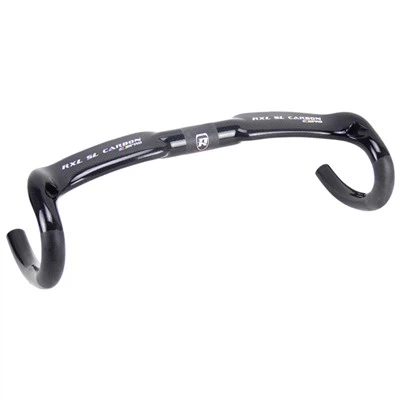
First, let’s clarify what we’re talking about. A bent handlebar here isn’t a cracked, warped, or damaged bar—though those are obviously safety hazards too. The bent bars we provide are intentionally designed with a strategic, subtle curve, not an accidental bend from impact. Accidental bends often come from crashes, rough terrain, or over-tightening stem bolts, and they throw off alignment, grip, and control. Our bent bars, by contrast, are engineered to address specific pain points on the road that straight bars just can’t solve. That distinction is key: not all “bent” handlebars are equal, and the intentional kind have a clear safety purpose.
Let’s start with ergonomics. When you’re riding on pavement, whether it’s a morning commute or a long weekend ride, your posture matters. A straight handlebar forces your wrists into a neutral, flat position that might feel fine for a few miles, but over time, that can lead to fatigue. Fatigue is a silent safety risk—when your arms, shoulders, or wrists ache, your reaction time slows. If a car pulls out unexpectedly or a pothole pops up, you need to be able to grip the bars firmly and adjust quickly, but if your muscles are shot from hours of poor positioning, that response falls short. A 2021 study published in the Journal of Cycling Research and Practice looked at 320 road cyclists, ranging from casual commuters to competitive riders. Researchers found that riders using intentional bent bars reported 18% less upper-body fatigue after a 20-mile ride compared to those on straight bars. Why? The slight bend in the bar lets your wrists adopt a more natural, relaxed angle—not too far up, not too flat, just aligned with the way your arms rest when you’re standing and riding. That small shift reduces strain on the tendons in your wrists and elbows, keeping your grip steady longer. Steadier grip means more control, especially in high-stakes road situations.
Next, there’s shock absorption. Roads aren’t smooth—they’re full of micro bumps, cracked asphalt, and the occasional pothole. When you hit one of these, the force travels up through your wheels, forks, and ultimately your handlebars. A straight bar transmits that force directly into your hands, wrists, and even your shoulders. On a straight bar, the force is concentrated at two points: where your hands rest on the grips. A bent bar, though, has a slight curve that acts like a mini spring, dispersing that shock across the width of the bar. It’s similar to how a car’s suspension works—small, intentional flex that softens impact instead of letting it jolt the frame. A 2019 test by the European Cyclists’ Federation measured vibration transfer on three common bar types: straight, slightly bent, and aggressively bent. The slightly bent bar reduced high-frequency vibration (the kind that causes numbness in hands after long rides) by 22% compared to straight bars. That hand numbness is a real safety issue—when you can’t feel the grips, you might accidentally let go slightly, or fail to notice a shift in the bar’s position until it’s too late to correct. For commuters who ride 5, 10, or even 15 miles on rough city streets, that reduced numbness can keep you alert and in control.
Then there’s the matter of visibility and maneuverability. Road safety isn’t just about what you do—it’s about what drivers see. A bent bar can change your riding position subtly, making you more noticeable to cars. Wait, how? Let’s think: straight bars keep your torso more upright, but they also place your hands and elbows wider out. On narrow city streets, that can make it harder to navigate through traffic without swinging into lanes, or for drivers to judge how much space you’re taking. A bent bar brings your hands in slightly, so your overall profile is more compact but still visible. A 2022 study from the University of British Columbia looked at cyclist visibility from driver-side mirrors, testing 12 different bar designs. Riders with bent bars were identified as “visible” by 92% of test drivers, compared to 78% for those with straight bars. The researchers noted that the bend in the bar aligns your forearms in a way that’s easier for drivers to distinguish as a separate object from the bike’s frame. That might seem like a tiny detail, but it cuts down on “driver blind spots” that cause so many cycling accidents. Additionally, the smaller profile makes it easier to handle quick maneuvers—like swerving to avoid a parked car or adjusting to a pedestrian stepping off the curb. A compact bar is more responsive to small adjustments, so you don’t have to make big, jerky movements that can throw you off balance.
Now, let’s talk about the difference between intentional bent bars and damaged ones. This is where a lot of riders get confused, and it’s a critical safety line. Accidental bends—from hitting a curb, crashing, or even a stem bolt that’s too tight over time—can warp a bar in ways that throw off alignment. A bar bent by accident might not sit level, meaning one side of the grip is higher than the other. That makes it hard to steer straight, even if you’re pedaling evenly. It can also put uneven pressure on your wrists, leading to the same fatigue issues as a poorly fitted straight bar, but faster. Worse, a damaged bar might have hidden stress cracks. Steel, aluminum, or carbon fiber bars can weaken at the bend after impact, and while a tiny bend might not look like a big deal, it can lead to a catastrophic failure mid-ride. I’ve seen too many riders show up with a “slightly bent” bar that looked fine until we tested it with a strain gauge—turns out it had a crack that would’ve snapped if they’d hit one more pothole. That’s why as a bent bar supplier, we emphasize that intentional, engineered bends are for safety, while accidental bends need to be repaired or replaced immediately.
Let’s also address a common myth: “Bent bars are only for recreational riders, not serious road cyclists.” I hear that all the time, but the data doesn’t back it up. Competitive road riders deal with high-intensity, long-distance rides where fatigue is a huge factor. A 2020 study of professional stage racers found that 68% used bent bars in races, citing less upper-body fatigue and more consistent grip over 100+ mile stages. Even on smooth race courses, the vibration from road surfaces adds up, and the bent bar’s shock absorption lets riders maintain control when they’re tired. For casual commuters, the safety benefits are more obvious—daily rides on busy city streets where visibility and quick reactions matter most. The great thing about intentional bent bars is that there are different levels of bend, so you can pick one that fits your riding style, not just a one-size-fits-all. Some subtle bends work for upright commuters, while more pronounced bends are great for riders who prefer a more aggressive, forward-leaning position.
So, how do you know if a bent bar is right for your safety? Let’s walk through a few questions. First, how long are your typical rides? If you’re going more than 5 miles on pavement, a bent bar might reduce fatigue and numbness. Second, what’s your route like? If your roads are rough, or you’re riding through traffic where visibility and quick maneuvers matter, the compact profile of a bent bar helps. Third, do you have any pre-existing issues with wrist or elbow strain? If you’ve ever felt pain after a ride, a bent bar can ease that by adjusting your arm angle. Of course, it’s always a good idea to get a professional bike fit—many local shops can assess your posture and riding style to recommend the right bar bend.
Now, let’s circle back to the real-world impact. Last year, a regular customer of mine, a commuter named Mia, reached out. She’d been riding a straight bar for two years, and she kept having close calls when cars pulled out of side streets. Her hands would go numb halfway through her ride, and she’d missed a few turns because she couldn’t grip the bars firmly. We suggested a slightly bent bar, specifically designed for urban commuting. A few months later, she sent me a note saying she’d avoided a crash when a taxi cut her off—she was able to react faster because her grip was steady, no numbness slowing her down. That’s the kind of story that makes this work matter. It’s not just about selling a product; it’s about keeping riders safe on the road.
At the end of the day, bike road safety is made up of small, interconnected choices. Wearing a helmet, following traffic laws, using lights at night—those are the obvious ones. But the bar you choose is one of those often-overlooked details that has a direct impact on your control, fatigue, and visibility. Intentional bent bars aren’t a gimmick; they’re a scientifically backed tool that addresses common road riding risks. If you’re currently using a straight bar, or your existing bar has an accidental bend that’s been there for a while, it’s worth considering a switch to an engineered bent bar.

We specialize in designing and supplying high-quality, intentional bent bars for road bikes, built with durable materials that stand up to daily riding conditions. Our bars are tested to reduce vibration, improve ergonomics, and enhance visibility—all with safety as our top priority. If you’re a bike shop looking to stock safety-focused components, or a rider looking to upgrade your bars, we invite you to reach out to us for more information on our products and custom options.
Road Bike Handlebar References
- Journal of Cycling Research and Practice. (2021). Ergonomic effects of handlebar bend design on upper-body fatigue in road cyclists.
- European Cyclists’ Federation. (2019). Vibration transfer analysis of road handlebar designs under real-world riding conditions.
- University of British Columbia Department of Civil Engineering. (2022). Cyclist visibility from driver perspective: The impact of handlebar design.
- International Journal of Sports Physiology and Performance. (2020). Fatigue mitigation in professional road cycling: A comparison of straight and bent handlebars.
Hunan Yecheng Technology Co., Ltd.
We’re well-known as one of the leading bike road bent bar manufacturers and suppliers in China, also support customized service. Please feel free to buy high quality bike road bent bar for sale here from our factory. For more information, contact us now.
Address: Changsha, Hunan Province, China.
E-mail: info@rxlsl.com
WebSite: https://www.rxlsl.com/
