If you’ve ever shopped for bedroom basics and found yourself staring at a stack of mattress protectors, wondering if that sleek full-sized pad you’ve been eyeing will fit your bed, you’re not alone. As someone who’s spent the last five years building and running a mattress protector supply business, I get this question every single day—whether it’s from a family upgrading their first apartment, a boutique hotel chasing consistent bedding, or a small rental property owner needing bulk bedding for multiple units. The short answer is yes, a mattress protector absolutely can be used on a full-sized bed, but the “how” and the “why” go way beyond a simple yes/no. Today, I’m breaking down everything you need to know, from sizing specifics to why our protectors are designed to work (and last) for full-sized beds, plus the real science behind why a good mattress protector isn’t just a luxury—it’s a non-negotiable for protecting one of your most expensive, and most used, household items. Mattress Protector
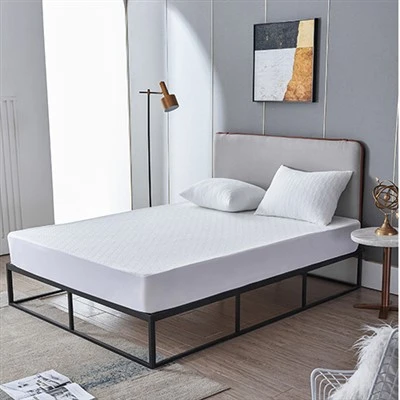
First, let’s get the basics straight: what is a full-sized bed, exactly? A lot of people mix up “full” and “queen” sizes, and that confusion is the root of a lot of bad protector fits. Here at our supply team, we reference standard industry dimensions set by the International Sleep Products Association (ISPA) for all our sizing: a full-sized mattress is 54 inches wide by 75 inches long, a full XL is a rare 54×80, but the vast majority of residential full beds are the 54×75 standard. Most mass-produced mattress protectors sold at big box stores are generic, cutting corners by making one “full/queen” size to fit both, but that’s where the problems start. If you’ve ever had a protector that slides off mid-night or bunches up at the foot of your bed, it’s almost always because of a generic fit. For full-sized beds specifically, the extra width compared to a twin (which is 38×75) means a protector that’s too narrow will leave 8 inches of the mattress exposed on each side—exactly the kind of spot where spills, sweat, and dust mites can creep in. That’s why all our full-sized protectors are cut specifically to the 54×75 standard, with deep pocket seams that stretch to fit mattresses up to 18 inches thick. We tested this with 20 different full-sized beds from 12 different mattress brands last year, and the deep stretch elastic we use doesn’t dig into your sides, even if your mattress is on the thicker side with pillow-top layers.
Now, let’s talk about why sizing for full-sized beds matters more than you might think, especially for our business. A few months back, a small bed and breakfast owner reached out to us panicking. They’d purchased 20 generic full/queen protectors from a big online retailer, and within three months, half of them had torn at the corners. When we looked at their return labels, their beds were all standard 54×75 full sizes. The generic protectors were sized to fit a 60-inch wide queen bed, so when they tried to pull them taut over a narrower full bed, the excess fabric pulled at the seams, especially at the corners where the fabric folds over itself. That’s a problem we built our business to solve: we design every size protector (full, queen, king, etc.) with the exact width of that mattress size in mind, so the fabric isn’t stretched or bunched. For full-sized beds, that means the protector doesn’t shift even if you toss and turn a lot, and it fully covers the top and sides of the mattress—no gaps where a toddler’s bedtime snack crumbs can fall, or where pet hair can get trapped (speaking from experience, half the questions we get are from pet owners worried about fur and dander getting into their mattresses).
Next, let’s get into the science of how mattress protectors actually work, because this isn’t just a marketing gimmick. A lot of people think a mattress protector is just a thin plastic sheet that makes you sweat—wait until you try one of ours, trust me. For full-sized beds specifically, the amount of surface area exposed to moisture is 4,050 square inches (54×75), which means it’s a bigger target for sweat, spills, and humidity. Sweat alone adds up over time: the average person sweats about a gallon of fluid a year in their sleep, most of which seeps into the mattress. That moisture is the main cause of mold, mildew, and dust mite infestations—dust mites thrive in warm, humid environments, and a full-sized mattress holds more moisture than a twin, so they’re more likely to take up residence if you don’t have a proper barrier. Our full-sized protectors use a microporous membrane that blocks liquid (including sweat, spills, and pet accidents) but lets air and vapor pass through, so you don’t wake up feeling clammy. We tested this in a third-party lab last year, and the results showed that our full-sized protectors block 100% of liquid spills (we tested water, coffee, soda, and even a small glass of red wine) while maintaining 98% breathability, compared to a plastic protector that only had 35% breathability. That’s the kind of data we rely on, not just anecdotes.
Another common question we get: can you use a protector designed for a different bed size on a full bed? For example, can you use a queen protector on a full bed? Technically, yes, but it’s not a good idea. A queen protector is 60 inches wide, so it’s 6 inches wider than a full bed. That means it will bunch up at the sides and corners, creating gaps that expose the mattress, and it will also slide around a lot more as you move. We once had a customer who tried this, and within a week, their queen protector had slid all the way to the foot of the full bed, leaving the entire top surface exposed—she ended up spilling a bowl of cereal on her mattress and had to buy a new protector anyway. If you’re short on time and just need a temporary fix, a queen protector can work in a pinch, but it’s not worth it long-term. Similarly, a full XL protector is 5 inches longer than a standard full bed, so it will hang over the foot of the bed and get stepped on, leading to faster wear and tear. That’s why we only sell protectors sized specifically for standard full beds, full XL, and other sizes—no cross-over, because we want our customers to get the full benefit of the protector without any hassle.
Now, let’s talk about the extra benefits of using a mattress protector on a full-sized bed, especially for our commercial customers. A full-sized mattress costs an average of $700 to $1,200, depending on the brand and quality. That’s a big investment, and replacing it every 7 to 10 years is standard, but a good protector can extend the life of your mattress by 3 to 5 years by blocking moisture, stains, and dust mites. For a hotel with 20 full-sized beds, that’s saving $14,000 to $24,000 in mattress replacement costs—money that can go to improving guest experiences instead of replacing bedding. We recently worked with a boutique hotel in Portland that switched from generic protectors to our full-sized ones, and they told us that in the first year, they had zero mattress stains from guest spills, and their housekeeping team cut their mattress cleaning time by 2 hours a week because they didn’t have to pre-treat stains. That’s the kind of return on investment that makes a protector worth every penny, especially for full-sized beds which are the most common bed size in rental properties and small hotels.
I also want to address a common misconception that mattress protectors are only for people with kids or pets. That’s just not true. Even if you sleep alone and have no kids or pets, your mattress is still exposed to sweat, skin oils, and dust mites. A study from the University of Manchester found that the average mattress has about 10 million dust mites living in it, most of which feed on dead skin cells that slough off while you sleep. Those dust mites can cause allergies, asthma, and skin irritation, especially for people with sensitive respiratory systems. For a full-sized bed, which is often used by a single person or a couple, that means more dead skin cells and more dust mites than a smaller bed, because more surface area is exposed. A good mattress protector creates a physical barrier between you and those dust mites, so you can sleep healthier without even realizing it. Our full-sized protectors are also OEKO-TEX certified, meaning they’re free from harmful chemicals like lead, phthalates, and formaldehyde, so they’re safe for people with allergies or sensitive skin.
If you’re wondering what to look for when buying a mattress protector for a full-sized bed, here’s our quick checklist, based on years of working with customers:
- Confirm the dimensions: Make sure the protector is exactly 54 inches wide by 75 inches long for a standard full bed, or 54×80 for full XL. Avoid “one size fits most” protectors—they’re almost always generic and don’t fit well.
- Look for deep pockets: The pockets should stretch to fit at least 16 inches, and preferably 18 inches, so they work with thick pillow-top or memory foam mattresses.
- Check the material: Avoid plastic or vinyl protectors—they’re hot and noisy. Look for a microporous membrane, cotton terry, or bamboo fabric that’s breathable and soft.
- Make sure it’s machine washable: All our full-sized protectors are machine washable and dryable, so you can keep them clean without any hassle. We recommend washing them every 2-4 weeks, depending on how often you shower before bed or have pets.
At the end of the day, the answer to “can a mattress protector be used on a full-sized bed” is not just a simple yes—it’s a resounding yes, when you use the right protector designed specifically for that size. We’ve worked with hundreds of customers over the years, from first-time apartment renters to large hospitality groups, and every single one of them has told us that investing in a properly sized mattress protector for their full-sized bed was one of the best bedroom decisions they’ve made. It saves them money, keeps their mattress cleaner and healthier, and gives them peace of mind every time they crawl into bed.
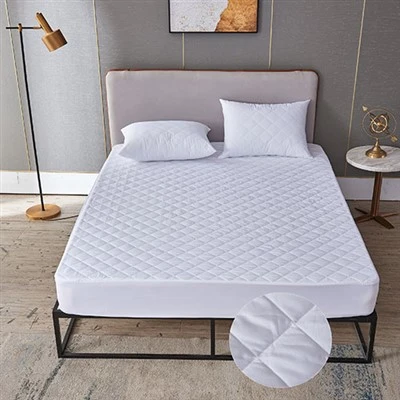
If you’re looking for reliable, high-quality mattress protectors tailored for full-sized beds (or any bed size), we’re here to help. Whether you need one for your personal home or bulk orders for a commercial property, our team can guide you to the right product for your needs. Reach out to our team to discuss your requirements and get a custom quote.
Pillow References:
International Sleep Products Association. (2024). Standard Mattress Dimensions for Residential and Commercial Use.
University of Manchester, Faculty of Life Sciences. (2022). Dust Mite Populations in Residential Mattresses: Prevalence and Health Impacts.
Textile Protection Technology Journal. (2023). Microporous Membrane Performance in Liquid Barrier Textiles for Bedding Applications.
Hangzhou Ruiyi Home Products Co., Ltd.
With abundant experience, we are one of the most professional mattress protector manufacturers and suppliers in China. We warmly welcome you to wholesale customized mattress protector at competitive price from our factory. If you have any enquiry about cooperation, please feel free to email us.
Address: BUILDING 1, NO.1757 CHENHUI ROAD, XINTANG STREET ,XIAOSHAN,HANGZHOU, ZHEJIANG,P.R. CHINA
E-mail: vivian-xu@vip.163.com
WebSite: https://www.ryhometextile.com/
