If you’ve spent any time navigating the world of functional nutrition or managing conditions like kidney stones, I bet you’ve heard oxalates get lumped into a "villain" category. They’re the compound people warn about in spinach, rhubarb, and nuts, right? But I’ve been working in the oxalate supply industry for over a decade now, and let me tell you—most of the confusion around oxalates stems from mixing up their different roles in the body, especially when it comes to iron absorption. As someone who’s spent years sourcing, processing, and supplying high-quality oxalate products for everything from lab research to nutritional supplements, I want to break down this relationship clearly: no clickbait, no over-the-top claims, just science and context you won’t find in a lot of popular diet blogs. Oxalates
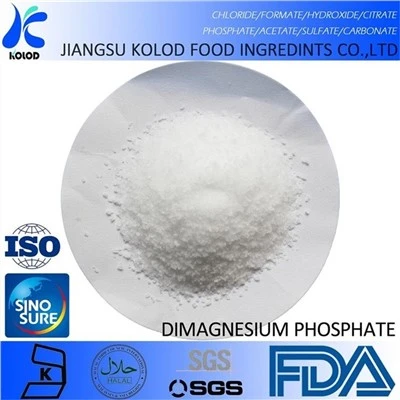
First, let’s get the basics straight. Oxalates, or oxalic acid, are natural compounds found in thousands of plant-based foods, and they’re also produced endogenously in small amounts by the human liver. Their primary biological role in plants? Think of them as a defense mechanism: plants use oxalates to deter pests from eating their leaves, stems, and seeds, which makes sense why so many high-oxalate foods are leafy greens and hard-shelled nuts. But here’s where it gets tricky: when oxalates come into contact with certain minerals in the human gut, they bind to them, forming insoluble complexes that the body can’t absorb. That binding is the root of the talk about oxalates and iron, and it’s not entirely bad news.
Iron is an essential nutrient—you can’t make hemoglobin (the protein that carries oxygen in your blood) or support cellular energy production without it, and low iron affects billions of people globally, especially women, adolescents, and those following plant-based diets. So how do oxalates factor in here? The short answer is: they can inhibit non-heme iron absorption, but heme iron (the type found in animal products like red meat, poultry, and fish) is almost entirely unaffected by oxalates. Non-heme iron, which makes up 90% of the iron people consume, is the stuff from plants like lentils, spinach, and fortified cereals, and it’s way more vulnerable to binding compounds like oxalates, phytates, and tannins.
Let’s dive into the science here, because it’s more nuanced than "oxalates block all iron." The process works like this: when you eat a meal, your stomach releases hydrochloric acid to break down food, and iron exists in two forms—ferric (Fe³⁺) and ferrous (Fe²⁺). For non-heme iron to be absorbed in the small intestine, it needs to stay in the ferrous form, and it has to stay soluble so it can pass through the intestinal lining into your bloodstream. Oxalates, specifically soluble oxalates (the type that are not bound to fiber and can move freely in the gut), have a high affinity for ferric iron. When they bind to Fe³⁺, they form iron oxalate, which is insoluble and can’t cross the intestinal wall. That means it just passes through your gut, unused, instead of being absorbed.
But here’s the big catch: the amount of inhibition depends entirely on how much soluble oxalate is in your meal and how much iron you’re consuming. For example, a study in the American Journal of Clinical Nutrition found that when participants ate a meal of spinach (high in oxalates) and non-heme iron from wheat flour, iron absorption dropped by 50% compared to a meal without spinach. But if you pair that spinach with a source of vitamin C—like a bell pepper or a citrus fruit—the vitamin C acts as an iron enhancer, converting ferric iron to ferrous iron, which doesn’t bind as easily to oxalates. The same study found that adding vitamin C to the high-oxalate spinach meal reversed most of the inhibition, bringing absorption back up to near normal levels. So it’s not oxalates themselves being the bad guy—it’s the lack of other nutrients that can counteract their binding effect.
Another common misconception is that all oxalates are the same when it comes to iron. As an oxalate supplier, I work with different grades of oxalate products every day—soluble vs. insoluble, food-grade vs. lab-grade—and I can tell you that the form of oxalate matters a lot in real-world absorption. Insoluble oxalates, which are bound to plant fiber and found in foods like whole grains or the skin of certain vegetables, don’t bind to iron in the gut because they’re too large to form the soluble complexes that interact with minerals. Only soluble oxalates are the ones that can impact absorption, and even then, only when the gut has the right conditions. For people who follow a plant-rich diet, this means small tweaks—like adding a splash of lemon juice to your spinach salad or soaking beans (which are also high in soluble oxalates) before cooking—can mitigate most of the iron absorption risk.
Wait, but what about people with iron deficiency? Should they avoid high-oxalate foods entirely? That’s a question I get all the time from clients who use our oxalate products in nutritional research, and the answer is no—not at all. In fact, cutting out high-oxalate foods often removes key nutrients like fiber, antioxidants, and other minerals that are important for overall health, and the iron you’d lose from those foods is usually easy to get from other sources. A 2021 review in Nutrients looked at over 20 studies on oxalates and iron absorption and concluded that while high soluble oxalate intake can reduce non-heme iron absorption by up to 15-20% in some cases, this effect is minor compared to the impact of not eating enough iron-rich foods or having other risk factors like chronic blood loss or malabsorption disorders. For context, a 10% reduction in absorption is like going from absorbing 2mg of iron from a meal to 1.8mg—hardly a reason to cut out nutrient-dense foods like kale, almonds, or sweet potatoes.
Now, let’s talk about the role of oxalate suppliers and why this matters for both research and consumer health. We don’t just sell oxalate products in bulk—we work with nutritionists, food manufacturers, and clinical labs to provide standardized oxalate samples that help researchers study these exact interactions. For example, a lot of lab tests use purified soluble oxalates to measure how different foods, meal combinations, and even iron supplements interact with oxalate binding. This research is critical because it helps people make informed choices, instead of relying on sensationalized diet advice that tells them to avoid all oxalates. For anyone who’s ever had a kidney stone (most commonly made of calcium oxalate), managing oxalate intake is important, but that’s a separate issue from iron absorption—one doesn’t have to come at the cost of the other.
I also want to address the elephant in the room: why do some people swear that high-oxalate foods make their iron deficiency worse? It often comes down to portion sizes. If you eat a 2-cup serving of raw spinach (which has over 700mg of soluble oxalates) with a meal that has only 5mg of non-heme iron, and no vitamin C, then yes, the oxalates can bind up a big portion of that iron. But if you eat a 1-cup serving of spinach, pair it with 100mg of vitamin C from strawberries, and have 15mg of iron from lentils, the absorption issue is negligible. It’s all about balance, and that’s where the science of oxalates and iron gets interesting—it’s not a binary "good vs. bad" relationship.
Another point I’ve learned over the years working with oxalates: individual gut health plays a huge role here too. People with healthy gut microbiomes have bacteria that can break down soluble oxalates into smaller compounds that don’t bind to iron, so their absorption risk is even lower. For people with small intestinal bacterial overgrowth (SIBO) or other gut disorders, that ability to break down oxalates is reduced, so they may need to be more mindful of their oxalate intake. But again, that’s a personalized recommendation, not a one-size-fits-all rule that applies to everyone.
So, what’s the takeaway here? Oxalates do have the potential to inhibit non-heme iron absorption, but that effect is conditional, not inevitable. It depends on the amount of soluble oxalates in the meal, the presence of iron enhancers like vitamin C, your overall diet quality, and your individual gut health. Cutting out all high-oxalate foods isn’t a solution for iron deficiency, and it can actually lead to missing out on key nutrients that support long-term health.
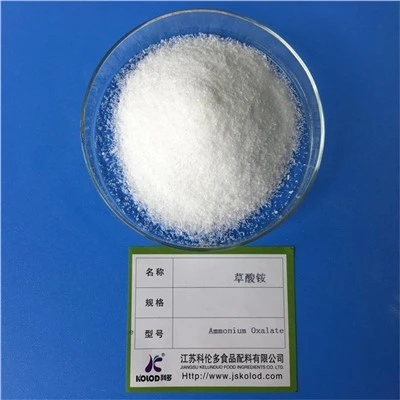
If you’re a nutrition professional, food manufacturer, or researcher looking for reliable oxalate products to support your work on mineral absorption, kidney stone management, or plant-based nutrition, we’re here to provide high-quality, standardized oxalate solutions tailored to your needs. We’ve spent decades refining our sourcing and processing methods to ensure our products are pure, consistent, and meet the rigorous standards required for research and commercial use. Whether you need lab-grade samples for a study or bulk food-grade oxalates for product development, our team can work with you to find the right fit.
For anyone managing iron levels, remember that the best way to support absorption is to eat a variety of iron-rich foods, pair them with vitamin C, and stay hydrated—not to avoid nutrients that are part of a balanced diet. And if you’d like to learn more about how oxalates interact with other minerals or how our products can support your nutritional research, don’t hesitate to reach out to our team to discuss your needs.
Sodium Citrate References
- American Journal of Clinical Nutrition. (1988). The effect of ascorbic acid on iron absorption from diets containing different amounts of oxalate.
- Nutrients. (2021). Oxalate intake and mineral absorption: a systematic review.
- Journal of Agricultural and Food Chemistry. (2015). Soluble and insoluble oxalate contents of commonly consumed plant foods.
- Clinical Nutrition ESPEN. (2020). Gut microbiota and oxalate metabolism in human health and disease.
- American Journal of Kidney Diseases. (2019). Dietary oxalate management for kidney stone prevention: a clinical practice update.
Jiangsu Kolod Food Ingredients Co., Ltd.
As one of the most professional oxalates manufacturers and suppliers in China, we’re featured by quality products and good price. Please rest assured to wholesale bulk oxalates made in China here and get free sample from our factory. Customized orders are welcome.
Address: South Side of Weier Road, Guanyun Development Zone, Lianyungang City, Jiangsu Province, China
E-mail: sales1399@jskolod.com
WebSite: https://www.kolod-group.com/
