If you’ve ever stared at your tomato plants riddled with hornworm damage or watched your apple trees lose half their fruit to codling moths, you’ve probably wondered if there’s a way to protect your garden without dousing it in synthetic pesticides. As the owner of a pheromone lures supply company, I get questions like this all the time: Can pheromone lures really work in a home garden, or are they just a fancy trick for commercial farms? The short answer is yes—they’re a science-backed, low-impact tool that’s increasingly popular among home gardeners, but they work best when you know how to use them right. Pheromone Lures
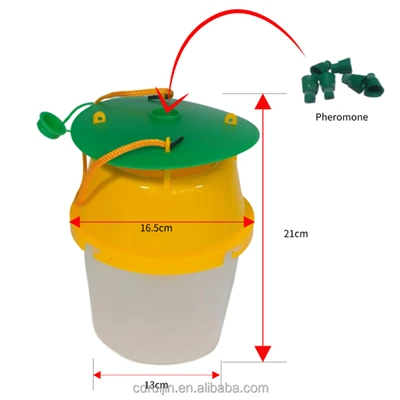
First, let’s break down what pheromones actually are, because there’s a lot of misinformation out there. Pheromones are chemical signals that insects release to communicate with members of their own species. For most common garden pests, it’s almost always the male insects that send out a “looking for a mate” signal, which females of the same species pick up on to find a partner. Pheromone lures work by mimicking these natural signals, tricking male pests into wasting time and energy searching for a mate that doesn’t exist. Over time, this reduces the number of fertilized females, which means far fewer eggs laid and far fewer larvae munching on your plants. Unlike broad-spectrum insecticides, pheromone lures target only the specific pest they’re designed for—so they leave bees, ladybugs, and other beneficial insects completely unharmed, which is a huge win for anyone trying to grow a balanced, eco-friendly garden.
Don’t let the word “pheromone” make you think this is some new, untested technology, either. Commercial farmers have been using pheromone-based pest control for decades, especially for high-value crops like apples, grapes, and broccoli. Twenty years ago, most of that tech was too big or too expensive for small home gardens, but today, we’ve scaled and refined those products to work for raised beds, container gardens, and backyard plots as small as 10×10 feet. That’s part of why our company started specializing in these lures—we saw a gap between commercial-grade solutions and what home gardeners could actually access and use effectively.
But here’s the thing: pheromone lures aren’t a one-size-fits-all fix. A lot of people try to pick up a random lure from a garden store, stick it in their yard, and wonder why it doesn’t work. The key to success is matching the right lure to the right pest, and placing it correctly. Let’s walk through some of the most common garden pests that respond well to lures, so you know which ones are worth targeting.
Tomato hornworms are one of the most frustrating garden pests, especially for new growers. Those big, green caterpillars can defoliate an entire tomato plant in a matter of days, and by the time you spot them, they’re already halfway through their life cycle. The good news is that we offer lures specifically for the tobacco hornworm and the tomato hornworm, two species that commonly attack nightshade plants like tomatoes, peppers, and eggplants. For best results, hang the lure about 4 feet high in your tomato plants—just high enough that it’s above the foliage, where male moths fly to search for mates. Replace the lure every 4 to 6 weeks, because the pheromone breaks down in sunlight and heat, and that’s when its effectiveness drops off.
Another top pest is the codling moth, which ruins apples, pears, and crabapples. Codling moth larvae burrow into the fruit, leaving behind that unsightly “wormy” core that makes your homegrown produce inedible. Codling moth lures work exceptionally well here, because even a single fertilized female can lay hundreds of eggs. We’ve had home garden customers tell us that after using these lures for one season, codling moth damage dropped from 40% of their apples to less than 5%. Just make sure to place the lure in the upper part of the fruit tree canopy—moths tend to fly and mate in the upper branches, so putting the lure there means it’s more likely to attract males before they can find real females.
If you grow grapes, Oriental fruit moths are a nightmare. Their larvae tunnel into grape clusters, causing rot and making the fruit unmarketable or unappetizing. Oriental fruit moth lures are another great option here, and they’re even versatile enough to work for peaches, plums, and other stone fruit too. We even sell combo packs for small fruit orchards that include lures for both codling moths and Oriental fruit moths, so you don’t have to buy multiple separate products.
Now, let’s get real about the limitations, because it’s important not to oversell this. Pheromone lures work best when you use them as part of an integrated pest management (IPM) plan, not as a standalone solution. If your garden already has a heavy infestation of a pest, the lures alone won’t be enough to get it under control—you’ll need to combine them with other tactics like hand-picking caterpillars, using row covers to keep moths off plants, or even releasing beneficial insects like trichogramma wasps, which lay their eggs in pest eggs and kill them before they hatch. Also, timing matters a lot. You can’t just hang a lure in the middle of summer and expect it to work; you need to put it out right before the pest’s mating season starts. That usually means early spring, when adult moths first emerge from overwintering pupae in the soil. A lot of first-time users miss that window, which is why their lures don’t seem to do anything at first.
Another common mistake gardeners make is not using enough lures, or using the wrong kind of trap with the lure. Pheromone lures alone don’t kill pests—they just attract them, so you need a trap to catch the males once they’re lured in. There are a few different types of traps to choose from, depending on the pest. For small gardens, sticky delta traps are affordable and easy to use—you just add the lure to the sticky insert, hang it up, and empty the sticky paper every few weeks. For larger yards, funnel traps or bucket traps work well, and they can be reused year after year, you just swap out the lure when it expires. We always recommend pairing our lures with the appropriate traps, but we also offer tips for making your own cheap traps if you don’t want to buy new ones every season.
You might also be wondering if pheromone lures are safe for the environment, especially if you have kids, pets, or pollinators. The pheromones we use are synthetic versions of the exact chemical signals the insects produce, so they don’t bioaccumulate in the soil or water, and they don’t harm any other species. Unlike neonicotinoids, which have been linked to bee declines, pheromone lures don’t affect bees, butterflies, or birds at all. That’s why so many organic gardeners swear by them—they check all the boxes for low-impact pest control.
I’ve seen this firsthand in my own customers’ gardens, which is why our company got into this business in the first place. Last year, a customer from Ohio reached out to us saying she’d tried every organic trick for her tomato hornworms, and nothing worked—even neem oil only knocked the caterpillars back for a week. She ordered our hornworm lure and traps, hung them in her garden in mid-May, and by mid-June, she was catching dozens of male moths every week. By the end of the summer, she barely had any hornworm damage on her plants, and she said her tomatoes were the best harvest she’d had in three years. That’s the kind of result we love to hear, because it proves that these lures work when used correctly.
Of course, there are still pests that pheromone lures aren’t effective for. For example, aphids, slugs, and spider mites don’t rely on pheromone mating signals the same way moths or beetles do, so lures won’t work for those. But for the majority of the most destructive garden pests that attack vegetables, fruit trees, and berries, they’re a game-changer.
If you’re thinking about trying pheromone lures in your own garden, the first step is to identify which pests you’re dealing with. Walk around your garden in the morning or evening, when moths are active, to see if you spot the adults, or check your plants for signs of damage—holes in tomatoes, wormy apples, or clustered larvae on pepper plants. Once you know which pest you’re targeting, we can help you pick the right lure and trap combo for your garden size.
We know that choosing pest control products can be overwhelming, especially with all the conflicting information online. That’s why we don’t just sell lures—we also offer free, personalized advice for home gardeners, whether that’s timing when to hang your lures, how many traps you need for your garden size, or how to adjust your IPM plan for your local climate. Our team has years of experience working with both commercial farms and backyard gardeners, so we know what works in different zones and for different crops.
At the end of the day, gardening is about working with nature, not against it. Pheromone lures let you protect your plants without harming the ecosystem around you, and they take the guesswork out of pest control. If you’re tired of seeing your hard work in the garden go to waste to caterpillars or moths, and you want to switch to a safer, more effective alternative to synthetic pesticides, we’re here to help. To learn more about our pheromone lures, discuss your garden’s specific pest challenges, and place an order, please get in touch with our team to arrange a consultation. We’re happy to walk you through every step to make sure you have the best chance of success.
Solar Insecticidal Lamp References
- American Chemical Society. (2020). Pheromones: An eco-friendly approach to pest management. Environmental Science & Technology.
- Landis, D. A., & Menalled, F. (2018). Integrated Pest Management for Home Gardens: Principles and Practices. University of Minnesota Extension.
- Witzgall, P., Kirsch, P., & Cork, A. (2010). Sex pheromones and their impact on pest management. Journal of Chemical Ecology.
- University of California Statewide IPM Program. (2021). Pheromone Traps for Monitoring and Control of Garden Pests. UC Agriculture and Natural Resources.
Sichuan Ruijinte Technology Co., Ltd.
As one of the most professional pheromone lures manufacturers in China, we have world-leading production equipment and strong manufacturing capabilities. Please rest assured to wholesale high quality pheromone lures at competitive price from our factory. Customized orders are welcome.
Address: No. 616, 6th Floor, Building 1, No. 8, Tianjiu North Lane, High-tech Zone, Chengdu
E-mail: glock@rjt-agri.com
WebSite: https://www.rjtagri.com/
