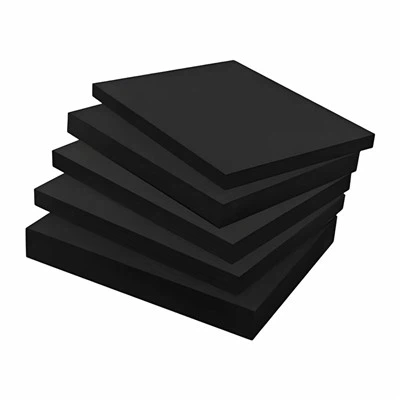
Foam sponge is a versatile material that has found its way into numerous applications, from cushioning in furniture to packaging for delicate items. As a foam sponge supplier, I often encounter questions about the potential uses of our products. One question that comes up quite frequently is whether foam sponge can be used for insulation. In this blog, I’ll delve into the science behind insulation, the properties of foam sponge, and evaluate its effectiveness as an insulation material. Foam Sponge
Understanding Insulation
Before we discuss whether foam sponge can be used for insulation, it’s important to understand what insulation is and how it works. Insulation is a material or combination of materials that reduces the transfer of heat, sound, or electricity. In the context of building and home applications, we’re primarily concerned with thermal insulation, which aims to prevent the transfer of heat between the inside and outside of a structure.
The principle of thermal insulation is based on the fact that heat naturally moves from areas of higher temperature to areas of lower temperature. Insulation materials work by providing a barrier that slows down this heat transfer. The effectiveness of an insulation material is measured by its thermal resistance, commonly referred to as its R – value. A higher R – value indicates better insulation performance, meaning the material is more effective at reducing heat flow.
Properties of Foam Sponge
Foam sponge is a porous material that can be made from a variety of polymers, such as polyurethane, polyethylene, and latex. These materials have different properties, but they all share some common characteristics that make them suitable for a range of applications.
One of the key features of foam sponge is its low density. The porous structure of foam sponge consists of numerous small air pockets trapped within the material. Air is a poor conductor of heat, which means that materials with a high proportion of air, like foam sponge, have the potential to be good insulators.
Another important property of foam sponge is its flexibility. Unlike some rigid insulation materials, foam sponge can be easily cut, shaped, and installed in various spaces. This makes it a convenient option for applications where custom – fitting is required, such as in irregularly shaped cavities or around pipes and ducts.
Types of Foam Sponge for Insulation
There are several types of foam sponge that can be considered for insulation purposes:
Polyurethane Foam Sponge
Polyurethane foam sponge is one of the most commonly used types for insulation. It comes in different forms, including open – cell and closed – cell foams. Open – cell polyurethane foam has a more porous structure with interconnected air pockets. While it provides some degree of insulation, its R – value is relatively lower compared to closed – cell foam. Closed – cell polyurethane foam, on the other hand, has a structure where the air pockets are sealed off from each other. This type of foam has a higher R – value and is more effective at preventing heat transfer. It also provides better moisture resistance, which is important for insulation in areas prone to dampness.
Polyethylene Foam Sponge
Polyethylene foam sponge is known for its durability and chemical resistance. It has a closed – cell structure, which gives it good insulating properties. Polyethylene foam is often used in applications where environmental protection and long – term performance are required, such as in industrial insulation or in the insulation of refrigeration units.
Latex Foam Sponge
Latex foam sponge is a natural and eco – friendly option. It has a soft and flexible texture, but its insulation performance is not as high as some synthetic foam sponges. However, it can still provide some degree of thermal insulation, especially in applications where comfort and a natural feel are important, such as in bedding or seat cushions.
Advantages of Using Foam Sponge for Insulation
- Ease of Installation: As mentioned earlier, foam sponge is flexible and can be easily cut and shaped. This makes it a DIY – friendly option for home insulation projects. Homeowners can purchase pre – cut foam sponge sheets or rolls and install them in attics, walls, or around windows and doors without the need for specialized tools or professional help.
- Versatility: Foam sponge can be used in a wide range of applications, not just in building insulation. It can be used to insulate pipes, refrigerators, and even vehicles. Its versatility makes it a valuable material for both residential and commercial purposes.
- Cost – Effectiveness: In many cases, foam sponge is a cost – effective insulation option compared to some specialized insulation materials. It offers a good balance between performance and price, making it accessible to a wide range of customers.
- Acoustic Insulation: In addition to thermal insulation, foam sponge can also provide some degree of acoustic insulation. The porous structure of the foam helps to absorb sound waves, reducing noise transmission between rooms or from the outside environment.
Limitations of Using Foam Sponge for Insulation
- Lower R – Value Compared to Some Materials: While foam sponge can provide a certain level of insulation, its R – value may be lower than some traditional insulation materials, such as fiberglass or mineral wool. In applications where high – performance insulation is required, such as in extremely cold or hot climates, foam sponge alone may not be sufficient.
- Flammability: Some types of foam sponge are flammable, especially if they are not treated with fire – retardant chemicals. This can be a safety concern, especially in building insulation applications. It’s important to choose fire – rated foam sponge products or use appropriate fire – protection measures when using foam sponge for insulation.
- Moisture Absorption: Open – cell foam sponges can absorb moisture, which can reduce their insulation performance over time. Moisture – absorbed foam sponge may also become a breeding ground for mold and mildew, which can pose health risks. Closed – cell foam sponges are more resistant to moisture, but proper installation and moisture – control measures are still necessary.
Applications of Foam Sponge in Insulation
- Residential Buildings: Foam sponge can be used in attics, walls, and floors to reduce heat transfer and improve energy efficiency. It can also be installed around windows and doors to prevent drafts. In addition, foam sponge can be used in basements and crawl spaces to insulate against cold and dampness.
- Commercial Buildings: In commercial buildings, foam sponge can be used for similar purposes as in residential buildings. It can also be used to insulate mechanical equipment, such as HVAC systems, to improve their efficiency and reduce energy consumption.
- Transportation: Foam sponge is used in the insulation of vehicles, such as cars, trucks, and trains. It helps to keep the interior of the vehicle warm in winter and cool in summer, as well as reducing noise from the engine and the road.
Conclusion
In conclusion, foam sponge can indeed be used for insulation, but its effectiveness depends on several factors, including the type of foam, the application, and the specific insulation requirements. While it has some limitations, its advantages, such as ease of installation, versatility, and cost – effectiveness, make it a viable option for many insulation projects.
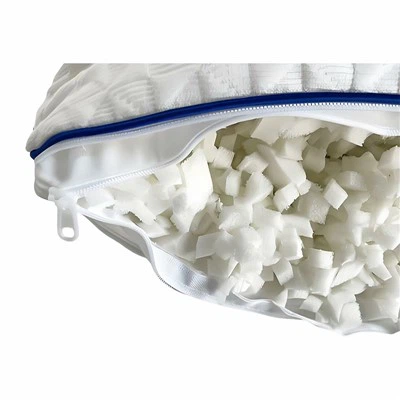
As a foam sponge supplier, I’m committed to providing high – quality foam sponge products that can meet the diverse needs of our customers. Whether you’re a homeowner looking to improve the energy efficiency of your home or a contractor working on a commercial project, we have the right foam sponge solution for you.
Foam Sponge If you’re interested in using foam sponge for insulation or have any questions about our products, I encourage you to reach out to us. We can provide you with detailed information about the different types of foam sponge, their properties, and how they can be best used for your insulation needs. Let’s start a conversation about how our foam sponge products can help you achieve your insulation goals.
References
- ASHRAE Handbook of Fundamentals. American Society of Heating, Refrigerating and Air – Conditioning Engineers.
- "Insulation Materials: Properties and Performance" by John Doe, published in the Journal of Building Science.
- Manufacturer’s technical data sheets for various foam sponge products.
Jiangsu Palatus Latex Products Co., Ltd.
As one of the leading foam sponge manufacturers and suppliers in China, we warmly welcome you to buy discount foam sponge from our factory. All customized products are with high quality and low price. For quotation, contact us now.
Address: No.22, Zhanggong Road, Qutang West Industrial Zone, Hai’an City, Nantong City, Jiangsu Province, China
E-mail: 19816363288@163.com
WebSite: https://www.jsplts.com/
