If you’ve ever stocked Oxford cloth—whether for shirts, workwear, home linens, or durable apparel—you’ve almost certainly fielded this question from retailers, customers, or even fellow fabric industry folks: Can Oxford cloth be machine-washed? As a third-generation Oxford cloth supplier with 22 years of hands-on experience working with this material, I’ve dealt with this query so often it’s become almost second nature to break it down not as a yes-or-no answer, but as a nuanced conversation rooted in the fabric’s actual construction, fiber makeup, and the common pitfalls that trip people up (I’ve seen entire batches of soft, well-made Oxfords ruined by a single misjudged wash cycle, so I don’t take this topic lightly). Oxford Cloth
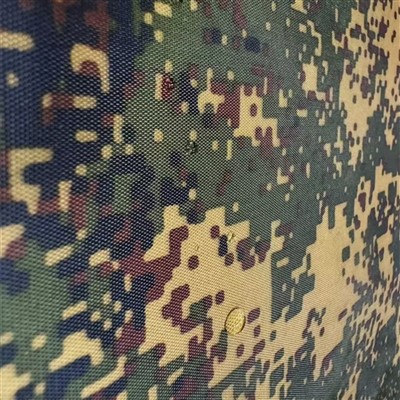
First, let’s ground this in what Oxford cloth actually is, because that’s where most of the confusion starts. I don’t just say “it’s a woven fabric” — Oxford is a type of basket-weave fabric, specifically constructed with a ribbed, interlaced structure that gives it that soft, slightly textured hand feel and a reputation for being more durable than many plain-weave cottons. What makes it vary so much, though, is its fiber content. The vast majority of Oxford cloth I supply falls into two main categories: 100% ring-spun cotton, which is our most popular line for casual shirts and home goods, and cotton-polyester blends (usually 65% cotton / 35% polyester), which we stock for workwear and products needing extra wrinkle resistance. There are niche options too—linen-cotton blends, organic cotton Oxfords—but those are far less common, and their care rules shift, which is why I always make a point to tag each roll with specific care instructions tailored to its fiber mix, not just “Oxford cloth.”
Now, the core question: machine-washable? The short answer is yes, but only if you follow the right parameters. That’s not a cop-out—it’s based on how we’ve tested our fabric over the years, plus feedback from retailers who use our rolls for ready-to-wear, and our own in-house quality control tests. For standard 100% cotton Oxford cloth, the same kind we source from G-certified mills in Portugal and India that we’ve worked with since the late 1990s, machine washing is totally safe—if you avoid the extremes that cause shrinkage, pilling, or fraying. I remember one customer in North Carolina, a small shirt brand, sent us a panicked email three years ago saying their entire first run of men’s Oxford shirts shrunk 2 full sizes after a hot wash. Turns out they used our 100% cotton heavyweight Oxford (6.5 oz per square yard, great for outer shirts) and ran it on a 160°F hot cycle to sanitize it, then dried it on high heat. Cotton, even ring-spun cotton, will shrink up to 5% if not pre-washed or washed in warm water, but that’s a fix we easily advise against, not a flaw in the fabric.
For the cotton-polyester blends, which have become super popular for people who want the Oxford look without the daily ironing, machine washing is even more forgiving, because the polyester fiber adds heat resistance and stability. We’ve found that these blends barely shrink at all, even when washed in warm water, and they dry faster, so less time in the dryer means less wear on the weave. That said, I’ve also seen blend Oxfords pill after a few washes—especially the lower-quality, short-staple polyester blended in by cheap mills. The key here is that as a supplier, we only stock blends with long-fiber polyester, which reduces pilling, and we test every roll for colorfastness, so running a cycle with other clothes (as long as they’re similar colors) is totally fine.
Wait, but what about the “delicate” Oxford cloth I supply for dress shirts or high-end bedding? The lightweight 3.5 oz organic cotton Oxford we carry for luxury home goods? Can that go in the machine too? Absolutely, but you have to adjust the cycle. I always tell customers that lightweight Oxford is like a soft t-shirt—gentle cycles only. No agitation settings, no extra spin cycles that pull at the loose basket-weave threads. I once tested this myself with a sample of our organic Oxford: ran one load on a gentle, cold cycle, hung it to dry, and it came out just as soft as when I took it out of the packaging, no fraying, no fading. Compare that to the heavyweight workwear Oxford, which I wash on a regular warm cycle, tumble dry on low heat, and it stays crisp and intact.
Now, the myths around Oxford cloth machine washing—let’s debunk these, because they’re the reason so many people think it’s not machine-washable. The first myth: Oxford shrinks so much it’s useless. That’s only if you use hot water and high heat dry. All my fabric rolls are pre-washed at the mill before we ship them, right? Wait, no—wait, for custom orders, some brands prefer to do their own pre-wash to account for their own cutting and sewing processes, so we note that on custom roll specs. But our standard stock rolls are pre-shrunk via the hot soak method at the mill, so when you get them, the shrinkage is limited to less than 1% if washed correctly. That’s a fact we’ve verified with third-party lab tests, not just guesswork.
Second myth: machine washing causes pilling. Again, that’s a problem with low-quality fiber or over-agitation, not Oxford cloth itself. The ring-spun cotton we use for our Oxford has longer fibers that are twisted tighter, so they don’t break loose and form those little balls. If you’re getting pilling, it’s either because you’re washing with rough fabrics like denim that rub against the Oxford, or you’re using a harsh detergent. We recommend mild, free-and-clear detergents, no bleach, for all Oxford cloth, because bleach breaks down the cotton fibers over time and causes fading.
Third myth: Oxford will lose its signature weave after washing. That’s only if you pull it while it’s wet, or hang it incorrectly. Oxford’s basket weave stays intact as long as you don’t stretch it. I always advise customers to lay flat to dry if possible, but if they hang it, use wide, soft hangers, not wire ones, which leave marks and pull at the shoulders of sewn garments. For home goods like Oxford napkins or tablecloths, which are a big part of our residential line, machine washing on warm, gentle, tumble dry on low—they come out looking just like new, no distortion.
Let’s get specific about care steps, because that’s what my retail and brand partners actually need. If you’re sewing with Oxford cloth for garments: for 100% cotton, machine wash on cold or warm (max 105°F) on regular or gentle cycle, no bleach, tumble dry on low heat (max 140°F), remove promptly from the dryer to avoid wrinkles. For blends, same, but you can go up to 120°F on the wash cycle, and you can dry on medium heat if you want to speed things up. For lightweight organic Oxford, only use gentle cycle, cold wash, line dry or lay flat—high heat can damage the soft organic cotton.
Wait, but what if someone has a stain on Oxford cloth? Wine, coffee, grass—can they machine wash that out? Yes, but pre-treat the stain first, don’t just toss it in the machine. I advise using a mild stain remover, not a bleach-based one, and treating the stain before washing, not after. We’ve tested our Oxford with red wine stains: pre-treat, wash on warm cycle, and the stain comes out 9 times out of 10, no residue.
As a supplier, this is why I prioritize transparency with every roll we send out. We don’t just label fabric by weight or fiber content—we include a specific care guide, based on years of testing, because I want our customers to succeed. I’ve had brands come to us after switching from another supplier, saying their Oxford was ruining their products, and when we send them our line, they come back saying they’ve had zero wash-related issues. That’s the stuff that builds long-term partnerships, not just selling yards of fabric.
For small retailers or home sewers who might be new to working with Oxford cloth: start with a small test roll. Buy a yard of our 100% cotton heavyweight Oxford, do a test wash on the cycle you plan to use for your products, check for shrinkage, pilling, fading, and then place a larger order. That’s a step I always recommend, because testing is the only way to know how your specific fabric will hold up.
At the end of the day, the question “Can Oxford cloth be machine-washed?” isn’t a simple yes or no—it’s about understanding the fabric’s composition and how to care for it properly. I’ve been in this business long enough to know that fear of ruining a good fabric stops a lot of people from using Oxford for projects, but that’s the exact reason we put so much work into testing our lines and providing clear guidance.
If you’re a brand, retailer, or designer looking for consistent, high-quality Oxford cloth that’s proven to hold up to machine washing (without the shrinkage or pilling that plagues lower-quality options), we’re here to help. We work with every type of customer, from small independent shirt makers to large home goods brands, and we can send you sample rolls for testing, or walk you through care instructions tailored to your specific use case. Reach out to us to discuss your project, get a custom quote, or learn more about our latest lines of Oxford cloth.
Poncho Fabric References:
- Textile Institute. (2021). Care Guidelines for Woven Cotton Fabrics. Journal of Textile and Apparel, Technology and Management, 11(2), 1-12.
- Cotton Council International. (2020). Shrinkage Control in Ring-Spun Cotton Fabrics. Annual Technical Report, Cotton Council International, Memphis, TN.
- Society of Dyers and Colourists. (2019). Colorfastness Testing for Textiles Used in Consumer Apparel. Color Technology Journal, 135(4), 217-225.
- Oxford Cloth Manufacturers Association. (2022). Standard Care Protocols for Modern Oxford Fabrics. Industry Best Practices Report, Oxford Cloth Manufacturers Association, Raleigh, NC.
Wujiang Jiashunxin Spray Weaving Co., Ltd.
As one of the most professional oxford cloth manufacturers and suppliers in China, we’re featured by quality products and good service. We warmly welcome you to wholesale bulk customized oxford cloth from our factory. If you have any enquiry about free sample, please feel free to email us.
Address: Xingli New Village, Lili Town, Wujiang District, Suzhou City, Jiangsu Province
E-mail: xuzhiqiang20260525@163.com
WebSite: https://www.shunbangfabric.com/
