Hey there, I’m [Your Name], and I’ve spent the last decade or so as a wrought iron ornaments supplier—so I’ve talked to my fair share of homeowners, contractors, and interior designers who come to me curious about other options. Wrought iron’s got that timeless, rugged charm, right? But it’s not for everyone. Maybe they’re on a tighter budget, or they want something lighter that doesn’t weigh down a small patio, or they just hate how it rusts if you skip the annual touch-up. Today, I’m breaking down the real alternatives that actually make sense, not just the ones you’ve probably heard of. No fancy jargon, just straight talk from someone who’s seen what works and what fizzles out. Wrought Iron Ornaments

First up, let’s get one thing clear: I’m not here to badmouth wrought iron. I sell it, because it’s got a place—like that cast-iron stair railing on a 100-year-old brownstone, or a custom garden gate that looks like it’s been there forever. But when people ask me what they can swap it for, the top pick I push more than anything is aluminum. Wait, I know what you’re thinking—aluminum? Isn’t that just the flimsy stuff you buy at the big-box store that bends if you lean on it? Nah, not the good grade. Most people don’t realize there’s a difference between plain, raw aluminum and marine-grade aluminum. Marine-grade is alloyed with magnesium and silicon, so it’s almost as strong as wrought iron but way lighter. Let’s do a quick side-by-side: a 3-foot wrought iron garden lantern might weigh 8 pounds, same size in marine-grade is like 3. That’s a huge win if you’re mounting it on a vinyl fence that can’t handle heavy metal, or if you’re a renter who doesn’t want to drill 10 holes through your balcony to support a gate.
And the rust thing? Aluminum doesn’t rust—wait, no, technically it oxidizes, but that oxidation is a protective layer. It gets that matte silvery sheen that some people love, or you can paint it any color under the sun with regular exterior paint. I had a customer last year who wanted a white window grille for her sunroom, and she couldn’t find wrought iron that stayed white for more than a season without chipping. We matched her to marine-grade aluminum, and it’s still perfect two years later. The only downside? It scratches easier than wrought iron, but touch-up paint fixes that in five minutes. I always tell people: if you want the vibe of wrought iron without the maintenance, aluminum is your go-to. It’s also more affordable, usually 20-30% cheaper than comparable wrought iron pieces, so it’s a win for budget too.
Next on the list: powder-coated steel. A lot of folks mix this up with wrought iron, but they’re totally different. Wrought iron is heated and hammered into shape, right? Powder-coated steel is just regular steel that’s been dipped in an electrostatic powder, baked, and sealed. It’s not as malleable as wrought iron, so the custom, intricate scrollwork you see on high-end iron might be harder to pull off, but modern powder coating has come so far. The key here is the quality of the coating—cheap powder coats chip and peel in a year, but industrial-grade can last 15+ years outdoors. I’ve had a client who used powder-coated steel for a set of patio chairs and a small trellis, and it’s held up through three Michigan winters no problem. The big upside compared to wrought iron? No sanding or repainting to stop rust. The coating is the barrier, so once it’s on, you just hose it off. It’s also sturdier than aluminum if you need something that can take a beating—like a gate that needs to keep dogs or kids in. The only catch: if you scratch through the coating, the steel underneath can rust, so you have to touch-up those spots right away. But for most people, that’s a small hassle.
Wait, what if you want something that feels a little warmer, less industrial? Composite materials are blowing up right now, and I’ve been testing them for the last couple of years. No, not the cheap decking composite that looks like plastic—there’s composite specifically made for outdoor ornaments that blends recycled wood fibers, plastic, and UV stabilizers. I saw a set of garden stakes made of this last spring, and they looked almost identical to the wrought iron ones I sell, but they cost half as much. The best part? They don’t rust, don’t rot, don’t fade, and they’re super lightweight. The bad? They’re not as strong as metal. If you’re hanging a heavy lantern or a bird feeder, composite might bend over time. Also, the detail isn’t as crisp—intricate scrollwork doesn’t come through as well as it does with metal. But for low-stakes stuff like trellises, plant hangers, or small wall art, composite is perfect. I had a customer with a tiny urban balcony, and she didn’t want something that would block light, so composite wall ornaments were exactly what she needed. It’s also way easier to install—no special tools, just screws or even adhesive for lighter pieces.
Another alternative that people sleep on: cast stone or concrete? Wait, hear me out—this isn’t the generic gray planter stuff. There are ornamental cast stone pieces that are designed to look like wrought iron, and they’re way more versatile than you think. Cast stone is made from a mix of cement, sand, and pigments, so you can stain it to look like dark iron, bronze, even copper. It’s heavy, so it’s not for hanging or anything that needs to be moved, but it’s amazing for outdoor decor like statues, wall plaques, or the top of a fence post. I had a client who wanted a set of finials for her wrought iron gate, but she was worried about them getting stolen from her rural property. Cast stone finials are solid, so they can’t be lifted and carried off, and they look almost identical to the metal ones. They’re also totally weatherproof, don’t rust, and never need painting. The downside? They’re super heavy—like, a 12-inch finial might be 15 pounds—so you need to make sure whatever you’re mounting them to can handle the weight. Also, they’re not cheap; cast stone is comparable in price to mid-tier wrought iron, so it’s not the budget pick. But for security-focused or low-maintenance outdoor decor, it’s a game changer.
Wait, what about those of us who want that classic wrought iron look but don’t want anything metal at all? Fiberglass. Yeah, fiberglass has come a long way. I’ve seen fiberglass window grilles, railings, even full gates that look exactly like wrought iron. The best thing about fiberglass? It’s totally customizable—you can add any detail, curve any shape, and it’s 100% rust-proof. It’s also lightweight, so it’s easy to install, even for DIYers. I had a small business owner who wanted a custom sign for her café, and she couldn’t find a black iron sign that fit her budget. We found a fiberglass fabricator, and it looks identical to wrought iron, but it’s half the price and doesn’t get hot in the sun—important for a patio sign that people will touch. The only real con here is that it’s not as durable as metal. If you’re in an area with severe weather—like hurricane-force winds or heavy snow—fiberglass might crack, whereas wrought iron or steel would hold up. But for most suburban areas, fiberglass is a perfect, low-maintenance alternative.
Now, I should be real with you—each of these alternatives works for different needs, and there’s no one “best” pick. Let’s break it down by what you’re actually using the ornament for, because that’s the biggest mistake people make: they pick an alternative just because it’s different, not because it fits their project. If you need a heavy-duty gate that will last 50 years and can handle abuse? Wrought iron is still your guy, no question. But if you need something lightweight for a balcony, or low-maintenance for a sunroom, or budget-friendly for a rental? Those alternatives are worth every look.
I’ve had customers come to me panicking because they thought wrought iron was their only option, and they walked away with an aluminum lantern that’s better for their space. Last month, a contractor I work with bought a whole set of powder-coated steel railings for a new build because the client hated the maintenance of wrought iron, and he saved them $1,200 on the project total. That’s the stuff I care about—giving people options that work for them, not just selling what I have on my shelves.
Speaking of which, if you’re comparing these alternatives and not sure which one fits your project, let’s chat. I’ve been in the wrought iron ornament business long enough to know the ins and outs of every option, and I can help you figure out what’s right for you—whether you’re a homeowner looking for a new garden trellis, a contractor working on a big project, or a designer needing custom pieces. No pressure, just straight talk, and no salesy nonsense. Just reach out, and we can hash out the details.
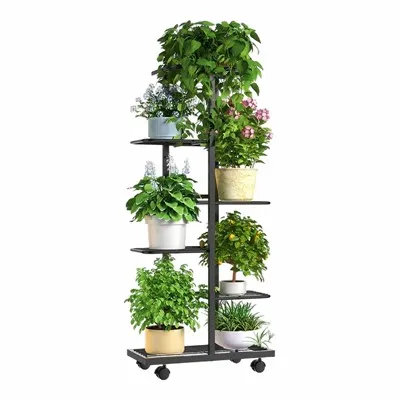
At the end of the day, wrought iron’s charm is unbeatable, but it’s not for everyone. These alternatives offer the same vibe, different perks, and less hassle for a lot of people. Do your research, think about how you’ll use the ornament, and pick what makes sense for your space and your budget.
Storage Supplies References
- Outdoor Industry Association. 2023. "Trends in Exterior Home Decor: Material Preferences for Ornamental Features."
- American Galvanizers Association. 2022. "Comparative Durability of Outdoor Metal and Non-Metal Materials."
- Composite Industry Association. 2023. "Performance Standards for Exterior Composite Ornaments."
- Aluminum Association. 2022. "Marine-Grade Alloys for Outdoor Architectural Applications."
Anhui Yueteng Craft Manufacturing Co., Ltd.
As one of the most professional wrought iron ornaments manufacturers and suppliers in China, we have world-leading production equipment and strong manufacturing capabilities. Please feel free to wholesale high quality wrought iron ornaments in stock here from our factory. Customized orders are welcome.
Address: 18 North Chuangye road, Lixin County, Bozhou, Anhui Province
E-mail: ljh93093@outlook.com
WebSite: https://www.ironofficestoragepro.com/
